Considering orthodontic treatment in Chicago can be a pivotal step towards enhancing your oral health and smile aesthetics. You’ll find that addressing issues like misaligned teeth and improper bites not only elevates your smile’s appearance but also optimizes dental functionality. Whether you’re leaning towards traditional braces or the subtlety of Invisalign aligners, consulting with trusted orthodontists serving Chicago can help you determine the best approach for your unique needs. Curious about how these treatments transform lives in the Windy City?
Understanding Orthodontics and Its Benefits
Although orthodontics might seem solely cosmetic, it offers numerous functional benefits that extend beyond enhancing your smile. By aligning misaligned teeth and correcting bite issues, orthodontic treatments play a vital role in holistic dental care. Proper alignment reduces the risk of tooth decay and gum disease by making oral hygiene more effective. This discipline not only accounts for aesthetic considerations but also optimizes oral function and overall health.
Orthodontic treatments can prevent excessive wear on teeth and alleviate discomfort associated with jaw misalignment. In addition, these procedures can improve speech clarity and chewing efficiency. By integrating both aesthetic and functional elements, orthodontics provides a detailed solution, tailoring care to meet your specific needs. Ultimately, choosing orthodontics fosters a balanced approach to dental health.
Exploring Traditional Braces: What to Expect
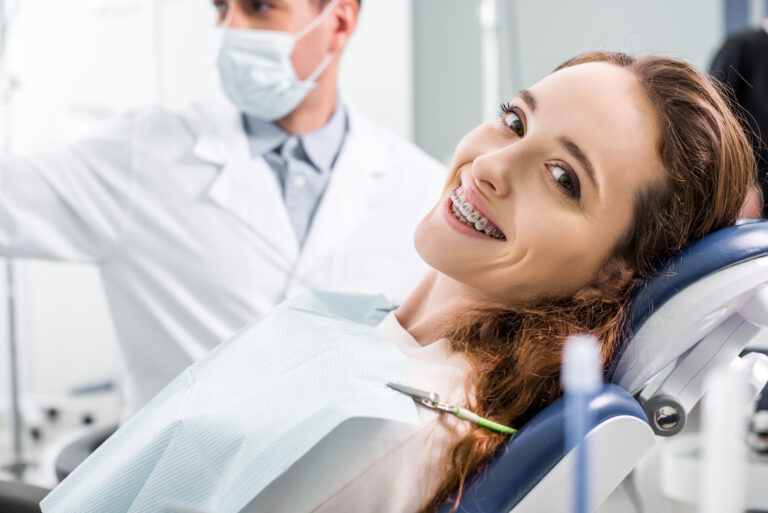
When considering traditional braces, it is essential to understand what the process entails and how it can impact your dental health journey. Traditional braces consist of metal brackets and wires, precisely adjusted by your orthodontist to guide teeth into ideal alignment. Initial placement might cause discomfort, but comfort level adjustments occur as you acclimate.
Expect periodic visits for tightening, which can lead to temporary soreness. Managing discomfort is key; using orthodontic wax on brackets and consuming softer foods can alleviate pressure. Over-the-counter pain relievers may also help. It’s important to maintain excellent oral hygiene, as braces require diligent cleaning to prevent plaque buildup. With commitment and patience, traditional braces can effectively transform your smile and enhance dental health over time.
The Advantages of Invisalign Aligners
While traditional braces have long been a reliable option for correcting dental misalignments, many patients seek a more discreet alternative. Invisalign aligners offer a solution with their discreet appearance and comfortable wear. These clear aligners are custom-made to fit your teeth securely, making them nearly invisible to others. The absence of metal brackets and wires enhances comfort, reducing irritation in the mouth. Invisalign aligners are also removable, allowing you to maintain ideal oral hygiene and enjoy your favorite foods without restrictions.
Consider these advantages:
- Discreet Appearance: Clear design makes them less noticeable.
- Comfortable Wear: Custom fit reduces irritation.
- Removable: Easy to clean and maintain oral hygiene.
- No Dietary Restrictions: Freedom to eat what you love without concern.
How to Choose the Right Orthodontic Treatment
When choosing the right orthodontic treatment, consider the types of braces available, such as traditional metal, ceramic, or lingual braces, each offering unique benefits. You’ll also need to evaluate how treatment duration aligns with your lifestyle, as some options, like Invisalign, might offer shorter timelines. Consulting with an orthodontist will provide you with a tailored plan that meets both your aesthetic and functional needs.
Types of Braces
Choosing the right orthodontic treatment can substantially impact both the effectiveness and comfort of your journey to a better smile. Understanding the types of braces available is pivotal. Metal braces are the traditional option, known for their durability and effectiveness in correcting complex dental issues. Ceramic braces offer a more aesthetic solution, blending with your teeth but may be slightly more fragile.
When considering your options, it is necessary to weigh the pros and cons of each type:
- Metal braces: Durable, effective, often less expensive.
- Ceramic braces: Less noticeable, aesthetically pleasing, but can be more costly.
- Lingual braces: Hidden behind teeth, not visible, but may cause tongue discomfort.
- Invisalign: Removable, clear aligners, but not suitable for severe cases.
Choose based on your needs and priorities.
Treatment Duration Expectations
The anticipation of achieving a perfect smile often meets reality in the form of treatment duration. Understanding the average treatment duration is essential. Typically, braces or aligners require 18 to 24 months to achieve ideal results. However, this timeline can vary based on several factors influencing treatment time. The complexity of your dental issues plays a significant role—more severe misalignments may necessitate longer treatment. Your age is another consideration, as younger patients often experience faster progress due to still-developing jaws. Compliance with orthodontic guidelines, such as attending regular appointments and maintaining oral hygiene, can also impact duration. Consulting with your orthodontist allows you to grasp your specific timeline, ensuring you’re informed and prepared for the journey to an improved smile.
The Role of Orthodontics in Dental Health
Orthodontics plays a vital role in dental health by ensuring your teeth are properly aligned, which helps maintain ideal oral functionality. By correcting bite issues, you can prevent complications like uneven wear, jaw pain, and even tooth loss. With precise adjustments, orthodontic treatment enhances not only your smile’s aesthetics but also its long-term health.
Aligning Teeth Properly
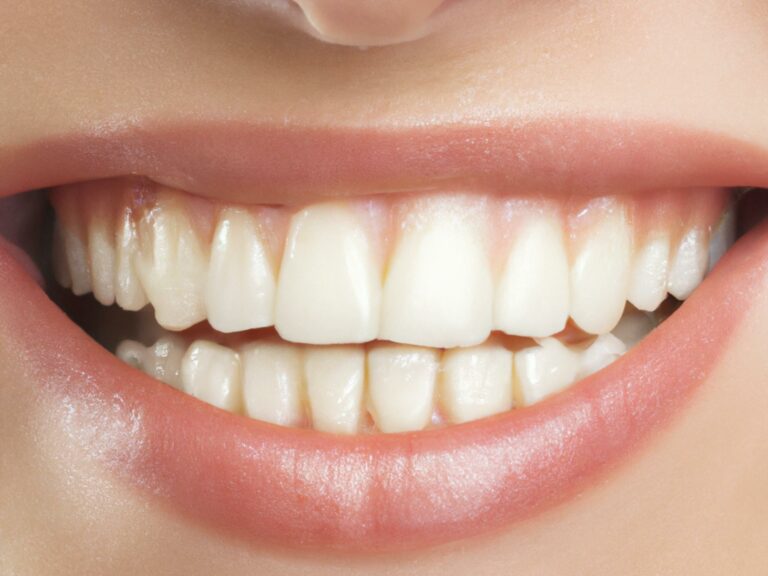
While often underestimated, properly aligned teeth play a critical role in maintaining overall dental health. Optimizing tooth alignment guarantees that your teeth are positioned correctly, reducing wear and tear. This alignment is integral for enhancing bite functionality, allowing you to chew efficiently and maintain healthy oral hygiene. Misaligned teeth can lead to issues like plaque accumulation and gum disease, both of which are detrimental to dental health.
Straight teeth are easier to clean, reducing the risk of cavities and gum issues. A well-aligned smile boosts confidence. Proper alignment alleviates pressure on the jaw. Correct alignment avoids complications down the road.
Orthodontics in Chicago can guide you toward ideal alignment.
Correcting Bite Issues
Beyond the importance of aligned teeth, addressing bite issues is vital in the field of orthodontics. Proper bite alignment significantly impacts your oral health, function, and aesthetics. Overbite correction helps to prevent excessive wear on your incisors and reduces the risk of temporomandibular joint (TMJ) disorders. Crossbite resolution, on the other hand, guarantees that your teeth fit together correctly, preventing asymmetrical jaw growth and uneven tooth wear.
Orthodontists in Chicago employ various techniques to tackle these concerns, from traditional braces to modern aligners. Each method is tailored to your specific needs, ensuring precise adjustments that address your unique bite issues. By focusing on correcting these problems, orthodontics not only enhances your smile’s appearance but also promotes long-term dental health and functionality.
Finding the Best Orthodontist in Chicago
When searching for the best orthodontist in Chicago, it is critical to ponder several key factors that will safeguard you receive exceptional care. First, evaluate the qualifications of orthodontists. Verify they possess the necessary certifications and have completed specialized training. Second, consider the reputation of local providers. Look for reviews and testimonials that speak to their expertise and patient satisfaction.
- Qualifications: Verify certifications and specialized training.
- Reputation: Check reviews and testimonials.
- Technology: Assess the use of modern techniques and equipment.
- Consultation: Schedule initial consultations to gauge comfort and communication.
The Cost of Orthodontic Treatments in the City
As you consider selecting an orthodontist in Chicago, it’s also important to understand the financial implications of orthodontic treatments. Costs can vary remarkably, influenced by the complexity of your case and the type of treatment selected. Braces, for instance, generally range from $3,000 to $7,000. Aligners might cost $4,000 to $8,000. Don’t let these numbers deter you. Many orthodontic practices offer flexible payment plans, allowing you to spread the cost over several months or years. Additionally, inquire about financial assistance options. Some offices provide in-house financing or third-party financing. Insurance can also play a pivotal role, so check if your plan covers a portion of the expenses. With careful planning, achieving a perfect smile is financially attainable.
What to Expect During Your Orthodontic Journey
As you commence your orthodontic journey, your initial consultation will provide a thorough assessment of your dental alignment and health. You’ll then explore various treatment plan options tailored to your specific needs, ensuring ideal results. Throughout the process, expect regular progress evaluations and necessary adjustments to fine-tune your treatment.
Initial Consultation Overview
Before setting out on your orthodontic journey in Chicago, it’s crucial to understand what the initial consultation entails. Typically, the initial consultation timeline involves a structured process designed to assess your specific needs. It begins with a comprehensive dental examination, during which your orthodontist will evaluate the alignment of your teeth and jaw. Expect a detailed discussion of your dental history, current concerns, and desired outcomes.
During this appointment, you’ll likely experience the following:
- Digital Imaging: X-rays and photographs are taken to evaluate your dental structure.
- Bite Analysis: Assessment of how your teeth fit together.
- Treatment Discussion: Preliminary recommendations based on examination findings.
- Timeline Overview: Outline of the expected duration for your orthodontic treatment.
This thorough evaluation guarantees a personalized approach to improving your smile.
Treatment Plan Options
Following your initial consultation, you’ll receive a detailed overview of the treatment plan options available to enhance your smile in Chicago. Orthodontists design customized treatment plans to align with your specific dental needs and lifestyle. These plans integrate advanced techniques, ensuring ideal results. You’ll discuss various appliances, like traditional braces or Invisalign, and their respective benefits.
A critical component is the treatment timeline, which outlines the duration and key milestones of your orthodontic journey. Your orthodontist will provide an estimated timeline, factoring in your unique dental structure and desired outcomes. By tailoring the approach, the plan maximizes efficiency and effectiveness. Through this individualized strategy, you’ll commence on a path to a vibrant, confident smile, all meticulously planned and executed in Chicago.
Progress and Adjustments
During your orthodontic journey, you’ll frequently encounter progress assessments and necessary adjustments. Monthly adjustments are pivotal for ensuring your treatment is on track. Your orthodontist will conduct ongoing monitoring to evaluate tooth movement and make precise changes. These visits typically involve tightening wires or replacing elastics to achieve ideal alignment. Expect some discomfort after adjustments, but it’s a sign of progress.
- Monthly Adjustments: Regular visits to tweak braces or aligners.
- Ongoing Monitoring: Continuous assessment of tooth movement and alignment.
- Discomfort Management: Mild pain is normal post-adjustment; over-the-counter pain relief may be advised.
- Treatment Duration Updates: Adjustments may alter the estimated timeline, keeping you informed of your progress.
Consistency is essential for a successful outcome.
Tips for Maintaining Your New Smile
To effectively maintain your new smile, it’s indispensable to adhere to a rigorous oral hygiene routine. Implementing daily hygiene routines is essential. Brush your teeth at least twice daily using fluoride toothpaste and a soft-bristled toothbrush. Flossing should be performed once a day to remove plaque from interdental spaces. Regular use of an antiseptic mouthwash can further reduce oral bacteria.
Post-treatment maintenance is pivotal for preserving orthodontic results. Wear your retainers as directed by your orthodontist to prevent teeth from shifting. Schedule regular dental check-ups, ideally every six months, to monitor oral health and guarantee your smile remains in exemplary condition. Avoid foods that can damage your teeth or appliances, such as hard candies and sticky snacks. Consistent care ensures your smile stays bright and aligned.
Success Stories: Transformative Smile Makeovers in Chicago
Many individuals have experienced life-changing transformations through orthodontic treatment in Chicago. These dramatic smile transformations are not just about aesthetics; they greatly enhance overall oral health and confidence. Smile makeover testimonials reveal the profound impact orthodontics can have on your life.
- Rapid Results: Patients often report noticeable changes in as little as six months.
- Enhanced Confidence: A new smile can improve self-esteem and social interactions.
- Health Benefits: Proper alignment reduces the risk of dental issues like cavities and gum disease.
- Personalized Treatment Plans: Treatments are tailored to meet specific needs, ensuring ideal results.
These stories underscore the potential of orthodontics to transform not just smiles, but lives, offering a brighter future.
Frequently Asked Questions
Are Orthodontic Treatments Suitable for All Ages?
Yes, orthodontic treatments suit all ages, but your treatment duration and cost considerations can vary. Adults might experience longer treatment times due to bone density, impacting cost. Consulting an orthodontist guarantees personalized plans tailored to your specific needs.
Can Orthodontics Fix Jaw Alignment Issues?
Yes, orthodontics can address jaw alignment issues. By correcting improper jaw growth, treatments help alleviate temporomandibular disorders. Techniques like braces or aligners realign teeth and jaws, enhancing function and comfort. Consult an orthodontist for personalized solutions.
How Long Do Orthodontic Treatments Typically Take?
Orthodontic treatments typically last 18-24 months, though this duration can vary based on individual needs. Treatment costs depend on complexity, chosen options, and location. Consult your orthodontist for a personalized assessment and precise cost estimate.
Is It Possible to Switch From Braces to Invisalign?
Yes, you can switch from braces to Invisalign, but it depends on your treatment eligibility and complexity. Consult with your orthodontist, as treatment duration might change based on your specific needs and the stage of your current treatment.
Do Orthodontic Treatments Require Dietary Changes?
Yes, orthodontic treatments may require dietary adjustments. Potential food restrictions include avoiding sticky, hard, or crunchy foods that can damage appliances. Soft foods are encouraged to minimize discomfort and guarantee effective progress during your treatment journey.