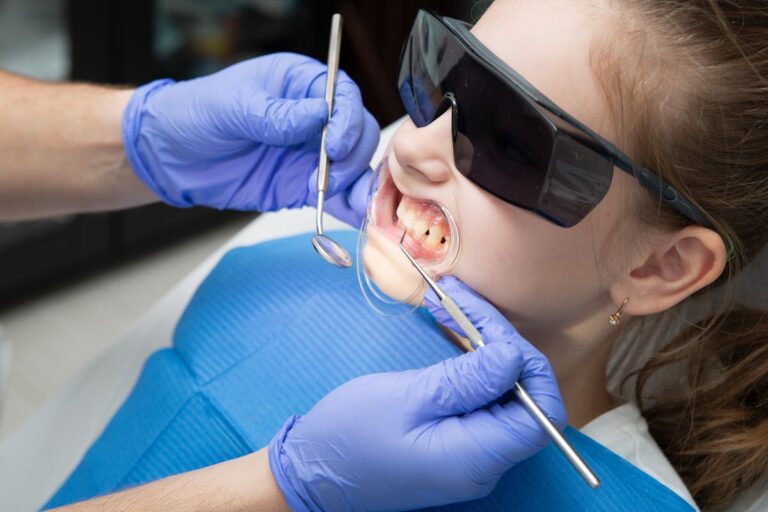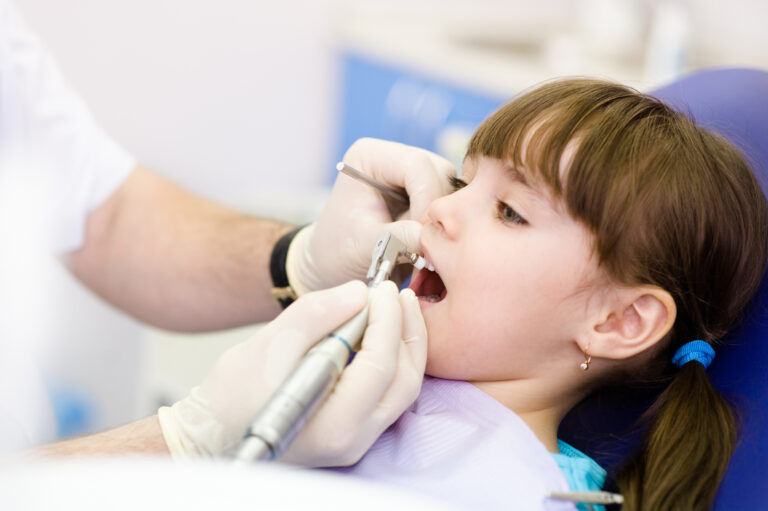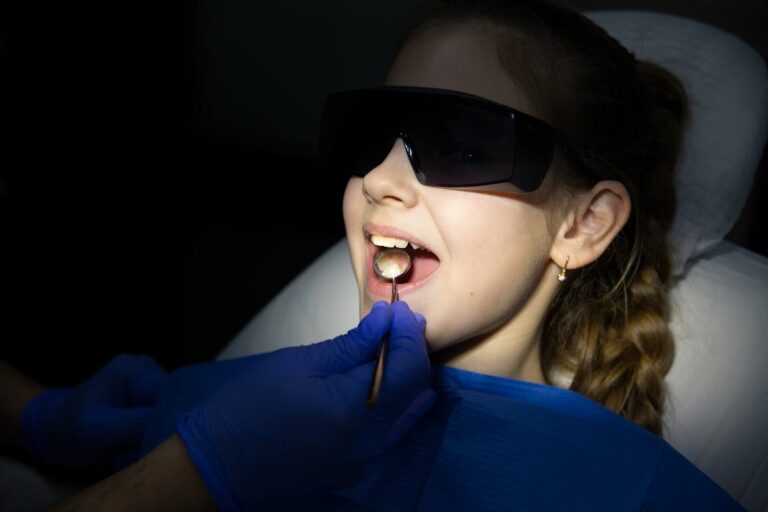
Nearly 20% of children aged 5-11 have untreated tooth decay, according to the CDC’s latest National Health and Nutrition Examination Survey—a staggering figure when you consider that most childhood cavities are entirely preventable. The economic burden reaches beyond individual families: untreated dental disease costs the U.S. healthcare system over $45 billion annually, with emergency room visits for preventable dental conditions increasing by 16% since 2020.
What makes these numbers particularly concerning is that they’re climbing despite decades of fluoride use and improved dental awareness. The reality is that traditional brushing and fluoride alone can’t reach every crevice where bacteria thrive, especially in the deep grooves of children’s back teeth. That’s where long-lasting dental sealants come in—a proven intervention that reduces cavity risk by up to 80% in treated teeth, yet remains underutilized across many communities.
For parents navigating their child’s oral health, understanding how sealants work isn’t just academic knowledge—it’s practical prevention that could save their family thousands in future dental costs while protecting their child from pain and more invasive procedures. Here’s what the research shows about this remarkably effective yet often misunderstood preventive tool.
What Are Pediatric Dental Sealants?
Think of dental sealants as protective shields for your child’s teeth. These thin, plastic coatings bond directly to the chewing surfaces of back teeth, creating a smooth barrier over the deep pits and fissures where food particles and bacteria naturally collect. Unlike temporary treatments, sealants become part of the tooth structure, hardening into a durable surface that can last for years.
The concept emerged from a simple observation: even children with excellent brushing habits develop cavities in their molars. The reason lies in tooth anatomy. Back teeth have complex topography—deep grooves and crevices that evolved to help us grind food effectively. But these same features create perfect hiding spots for bacteria that cause tooth decay. A toothbrush bristle is about 200 times wider than these microscopic spaces, making thorough cleaning nearly impossible through brushing alone.
Sealants solve this fundamental problem by essentially “filling in” these vulnerable areas before decay can begin. The material flows into the natural grooves, then hardens to create a smooth, cleanable surface. This isn’t just theory—it’s backed by decades of clinical evidence. The American Dental Association and American Academy of Pediatric Dentistry both strongly recommend sealants as a cornerstone of preventive care.
What makes sealants particularly valuable in pediatric dentistry is timing. Children’s permanent molars erupt around ages 6 and 12, when oral hygiene habits are still developing and dietary choices often include more cavity-promoting foods. Applying sealants during this critical window provides protection during the highest-risk period for molar decay.
The materials used have evolved significantly since the 1960s, when sealants first appeared in dental practice. Modern sealants are BPA-free, biocompatible, and designed to withstand the forces of normal chewing while maintaining their protective seal for years.
How Do Dental Sealants Prevent Tooth Decay?
The Scientific Mechanism Behind Sealant Protection
Tooth decay follows a predictable process: bacteria in the mouth feed on sugars and starches from food, producing acids that dissolve tooth enamel. This demineralization process starts in microscopic areas and gradually expands into cavities. Sealants interrupt this cycle at its most vulnerable point—the initial bacterial colonization.
When sealant material flows into the pits and fissures of a tooth, it displaces air and moisture, creating an anaerobic environment hostile to the bacteria that cause decay. The cured sealant forms a physical barrier that prevents new bacteria from establishing colonies in these protected areas. Research published in the *Journal of the American Dental Association* shows that properly applied sealants reduce bacterial counts in treated fissures by over 95%.
The bonding process creates a molecular-level attachment to tooth enamel. Modern sealants use either light-curing technology or chemical-curing mechanisms to transform from a flowable liquid into a hardened polymer. This polymerization creates a durable surface that’s actually harder than the natural enamel underneath, providing enhanced protection against both decay and wear.
What’s particularly important is that sealants don’t just block access to existing bacteria—they can actually halt early decay that’s already begun. Studies show that sealants applied over incipient carious lesions (early decay spots) can prevent progression 76% of the time, essentially allowing the tooth to heal itself underneath the protective barrier.
Steps Involved in Applying Sealants on Children
The sealant application process takes advantage of a narrow window when the procedure is most effective and comfortable for children. The entire process typically takes 5-10 minutes per tooth and requires no anesthesia, making it far less intimidating than restorative procedures.
The process begins with thorough cleaning of the tooth surface using a prophy brush and pumice paste to remove all plaque and debris. This step is crucial because any contamination will prevent proper bonding. Next, the tooth is isolated using cotton rolls or a rubber dam to maintain a completely dry field—moisture is the enemy of successful sealant bonding.
An etching gel containing mild phosphoric acid is applied for 15-30 seconds to create microscopic roughness on the enamel surface. This etching increases the surface area available for bonding by about 2000%, creating the mechanical retention necessary for long-term durability. The tooth is then rinsed thoroughly and dried completely.
The sealant material is carefully applied to flow into all the pits and fissures while avoiding air bubble entrapment. For light-cured sealants, a special curing light polymerizes the material in 20-40 seconds. The dentist then checks the bite to ensure the sealant doesn’t interfere with normal chewing patterns, making small adjustments if necessary.
Children typically experience no discomfort during the procedure, though some report a slightly bitter taste from the etching gel and the unusual texture of the curing light. The immediate result is a tooth that feels smoother than before, with all the natural grooves now filled and protected.
Types of Dental Sealants and Ideal Timing
Dental sealant materials fall into two primary categories, each with distinct advantages depending on the clinical situation. Resin-based sealants, the most commonly used type, offer excellent retention rates and durability. These materials require careful moisture control during application but provide superior longevity—studies show 85% retention rates after five years when properly applied.
Glass ionomer sealants represent a valuable alternative, particularly for newly erupted teeth where moisture control proves challenging. These materials release fluoride over time, providing additional protection against decay. While their retention rates are lower than resin sealants, they’re particularly useful for partially erupted molars or patients with special needs where traditional technique modification is necessary.
The question of timing involves balancing protection with practicality. The American Academy of Pediatric Dentistry recommends sealing permanent first molars as soon as they’re fully erupted, typically around age 6-7. Second molars should be sealed around age 12-13. However, this timeline can vary significantly based on individual eruption patterns—some children’s molars emerge earlier or later than average.
Primary teeth may also benefit from sealants in certain circumstances. While baby molars will eventually be lost, they play crucial roles in maintaining space for permanent teeth and supporting proper oral function during critical developmental years. Children at high caries risk or those with deep grooves in their primary molars may benefit from sealant application, particularly if the teeth won’t be lost for several years.
The concept of “eruption timing” extends beyond simple age considerations. A tooth must be sufficiently erupted to allow for proper isolation and cleaning, but delaying treatment increases the risk that decay will begin before protection is applied. Dental professionals often recommend monitoring newly erupted molars closely, applying sealants as soon as clinical conditions allow for optimal technique.
Recent research suggests that early application provides the greatest benefit. A longitudinal study published in *Pediatric Dentistry* found that sealants applied within one year of tooth eruption prevented 86% of cavities over a five-year period, compared to 76% when applied after the first year. This data reinforces the importance of timely preventive care in pediatric dental practice.
Comparing Dental Sealants with Other Cavity Prevention Methods
The relationship between sealants and fluoride represents complementary rather than competing approaches to cavity prevention. Fluoride works systemically and topically to strengthen enamel throughout the mouth, making teeth more resistant to acid attacks. However, fluoride’s effectiveness diminishes in deep pits and fissures where its concentration can’t reach optimal levels. Sealants excel precisely where fluoride falls short—in these anatomically complex areas.
Research from the *Cochrane Database of Systematic Reviews* demonstrates that combining fluoride therapy with sealants provides greater protection than either intervention alone. Children receiving both fluoride supplements and sealants showed 92% fewer cavities in sealed molars compared to 78% reduction with sealants alone and 45% reduction with fluoride alone. This synergistic effect occurs because fluoride continues protecting the smooth surfaces while sealants guard the occlusal (chewing) surfaces.
The comparison with dental fillings reveals a fundamental philosophical difference in dental care. Fillings represent restorative treatment—repairing damage after it occurs. This process requires removing healthy tooth structure along with decay, permanently weakening the tooth. Sealants represent true prevention, applied to healthy teeth before any damage occurs.
From a cost-effectiveness standpoint, the economics strongly favor prevention. The average sealant costs $30-60 per tooth and lasts 5-10 years, while a single filling costs $150-300 and may require replacement multiple times throughout a person’s lifetime. A systematic economic analysis published in the *Journal of Public Health Dentistry* found that sealant programs save $2.74 for every dollar invested when applied to high-risk populations.
Fluoride varnish applications offer another point of comparison. While varnish provides excellent protection for smooth surfaces and can be applied to very young children, its protection lasts only 3-6 months, requiring frequent reapplication. Sealants provide longer-term protection specifically for the highest-risk surfaces. Many pediatric dental practices now recommend fluoride varnish for children under 6, followed by sealants for permanent molars as they erupt.
What Research Shows About Sealant Effectiveness and Safety
The evidence supporting pediatric dental sealants spans over five decades of clinical research, with multiple large-scale studies confirming their effectiveness and safety. A comprehensive meta-analysis published in the *Journal of the American Dental Association* analyzed 19 clinical trials involving over 4,000 children and found that sealants reduce cavities by 76-86% in the first year after application, with protection remaining at 60-70% effectiveness even after four years.
Perhaps the most compelling evidence comes from community-based studies. The CDC’s analysis of school-based sealant programs found that children receiving sealants had 60% fewer cavities in their permanent molars compared to unsealed teeth. More importantly, these programs demonstrated particular benefit for children from lower-income families who traditionally have higher rates of untreated decay.
Safety concerns, particularly regarding BPA exposure, have been thoroughly investigated. The American Dental Association’s comprehensive review found that BPA exposure from dental sealants is 2,500 times lower than the level considered safe by the FDA. To put this in perspective, a child would receive more BPA exposure from eating one cashew nut than from having a full mouth of dental sealants.
Recent longitudinal research has provided new insights into long-term outcomes. A 15-year follow-up study published in *Pediatric Dentistry* tracked children who received sealants in elementary school through early adulthood. Results showed that 89% of sealed molars remained cavity-free compared to 23% of unsealed molars in the control group. Even more striking, the total lifetime dental treatment costs for the sealant group were 40% lower than the control group.
Expert opinions from leading pediatric dental organizations consistently support sealant use. Dr. Martha Wells, past president of the American Academy of Pediatric Dentistry, notes that “the question isn’t whether sealants work—the evidence is overwhelming. The challenge is ensuring access for all children who could benefit, particularly those at highest risk.”
Emerging research focuses on improving sealant materials and application techniques. New antimicrobial sealants incorporate silver nanoparticles or fluoride-releasing compounds to provide additional protection. Clinical trials suggest these next-generation materials may offer even greater longevity and effectiveness than current options.
Common Misconceptions and Durability of Sealants
One persistent myth suggests that sealants trap bacteria underneath the protective coating, leading to accelerated decay. This misconception stems from early research using outdated materials and techniques. Modern studies using advanced bacterial detection methods show the opposite: properly applied sealants create an anaerobic environment that eliminates existing bacteria and prevents new colonization. Research published in the *Journal of Clinical Dentistry* found no viable bacteria under intact sealants after two years.
The durability question requires understanding that sealant “failure” doesn’t necessarily mean treatment failure. Complete sealant loss affects only 5-15% of teeth within the first five years, while partial loss—small chips or wear spots—occurs more frequently but doesn’t eliminate all protective benefits. Even partially retained sealants continue protecting the deepest fissures where decay typically begins.
Factors influencing sealant longevity include the child’s bite force, diet, oral habits, and the skill of the applying clinician. Children who grind their teeth or chew ice may experience earlier sealant wear, but even reduced coverage typically provides better protection than no sealants at all. Regular dental checkups allow for monitoring and repair or replacement when necessary.
A common parental concern involves whether sealants require special care or dietary restrictions. The reality is that sealed teeth require the same oral hygiene as unsealed teeth—regular brushing, flossing, and routine dental care. Children can eat normally immediately after sealant application, though dentists may recommend avoiding very sticky foods for the first 24 hours while the material fully cures.
The replacement frequency depends on individual circumstances, but research suggests that most sealants last 5-10 years before requiring replacement. However, the cost-benefit analysis remains favorable even with replacement. A tooth that receives two sealant applications over a 15-year period costs significantly less than treating even one cavity that develops without protection.
Some parents worry that sealants might mask underlying problems or prevent early detection of decay. Modern diagnostic techniques, including digital radiography and laser fluorescence detection, can identify issues beneath sealants when necessary. More importantly, properly applied sealants prevent decay from occurring rather than simply hiding it.
Advanced Considerations in Pediatric Dental Sealants
Sealants for Children With Special Needs
Children with developmental disabilities, physical limitations, or medical conditions that affect oral health face unique challenges that make cavity prevention even more critical. Traditional oral hygiene can be difficult or impossible for some children, making sealants an invaluable protective intervention. Research published in *Special Care in Dentistry* shows that children with special needs who receive sealants have 73% fewer cavities than those who don’t, a greater benefit than seen in typical populations.
The application process may require modifications for children with special needs. Sedation or general anesthesia might be necessary for children who can’t cooperate during the procedure, but the long-term benefits often justify this additional complexity. Some pediatric dentists use silver diamine fluoride as an interim measure for high-risk children who can’t tolerate traditional sealant placement, providing some protection while working toward comprehensive treatment.
Caregivers of children with special needs often struggle with daily oral hygiene, making mechanical protection through sealants particularly valuable. The smooth surface created by sealants makes cleaning easier and more effective, even when brushing technique isn’t optimal. This creates a positive cycle where prevention becomes more achievable and sustainable.
Impact of Sealants on Children’s Oral Health Habits
Contrary to some concerns, research indicates that receiving sealants doesn’t create complacency about oral hygiene—instead, it often serves as a gateway to better overall dental care. Children who receive preventive treatments like sealants typically maintain better oral health habits and have more positive attitudes toward dental care throughout their lives.
The psychological impact shouldn’t be underestimated. A child who has never experienced dental pain or invasive procedures maintains a more positive relationship with dental care. This foundation supports better compliance with oral hygiene recommendations and regular dental visits, creating lifelong patterns of preventive care.
Educational opportunities often accompany sealant placement. Dental professionals use the comfortable, non-invasive procedure to teach children about their teeth, proper brushing techniques, and the importance of avoiding sugary snacks. This educational component can be more effective than traditional health talks because children are actively experiencing dental care rather than simply listening to instructions.
Future Trends and Innovations in Sealant Materials
The next generation of sealant technology focuses on enhanced durability, antimicrobial properties, and simplified application techniques. Bioactive sealants that release calcium and phosphate ions to strengthen surrounding enamel are currently in clinical trials, with early results showing promise for even greater protective effects.
Nanotechnology applications include sealants with silver nanoparticles that provide long-term antimicrobial action. These materials show enhanced resistance to bacterial colonization and may offer protection even if the sealant develops minor defects over time. Clinical trials suggest these advanced materials could extend effective protection beyond the current 5-10 year timeframe.
Self-etching sealants represent another innovation that could improve application success rates. These materials eliminate the separate etching step, reducing technique sensitivity and making the procedure faster and more comfortable for children. Early clinical data suggests similar retention rates to traditional materials with improved ease of use.
The integration of artificial intelligence in treatment planning is beginning to identify optimal candidates for sealant therapy. Machine learning algorithms can analyze risk factors, tooth morphology, and individual patient characteristics to predict which children will benefit most from sealant application and when treatment should be initiated for maximum effectiveness.
As our understanding of oral microbiology advances, future sealants may incorporate probiotics or other biological agents designed to promote beneficial bacterial populations while inhibiting pathogenic species. This represents a shift from simply blocking bacterial access to actively managing the oral ecosystem for optimal health.
The trajectory of sealant technology points toward materials that are more effective, longer-lasting, and easier to apply. However, the fundamental principle remains unchanged: preventing decay is more effective, more comfortable, and more economical than treating it after it occurs. For children today, sealants represent one of the most powerful tools available for maintaining oral health throughout their lives.
The evidence is clear that dental sealants provide exceptional protection for children’s teeth during their most vulnerable years. As materials continue to improve and access expands, this simple preventive treatment will likely play an even greater role in reducing childhood tooth decay. The children who receive sealants today are building a foundation for better oral health that will benefit them for decades to come.