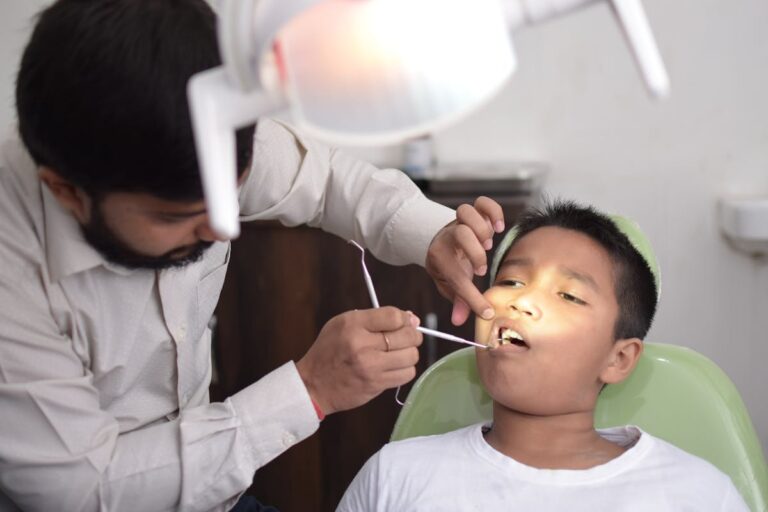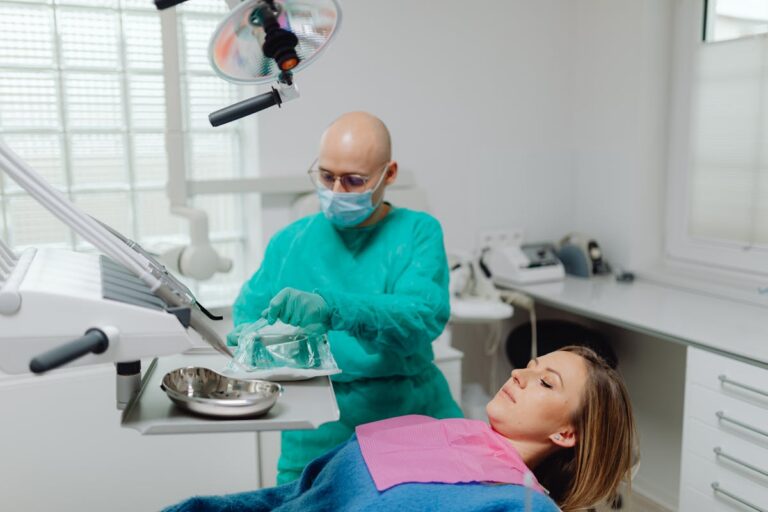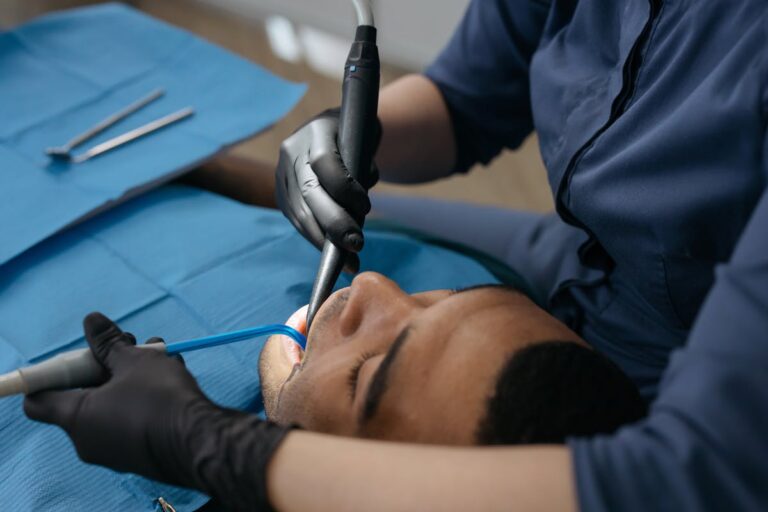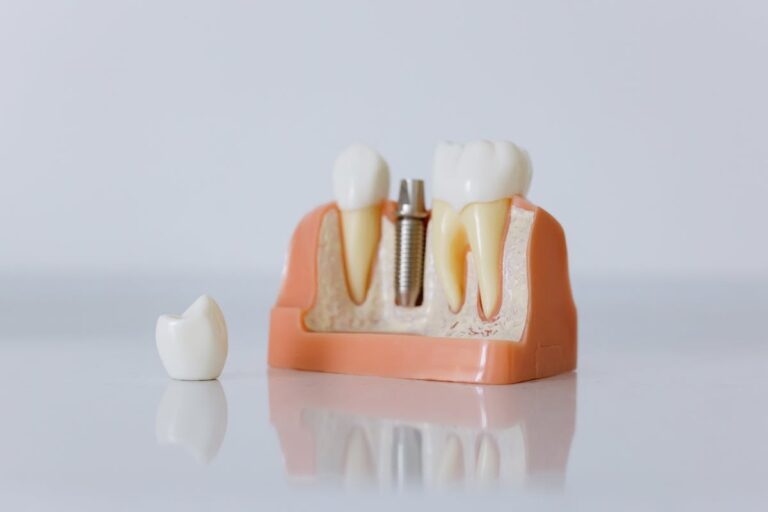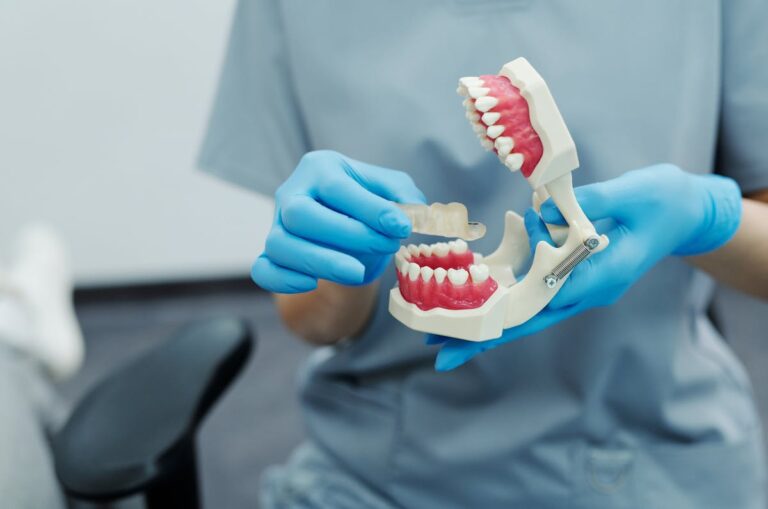
When you undergo root canal therapy in Marietta, you’ll experience a meticulously structured procedure aimed at preserving your natural tooth. First, local anesthesia guarantees comfort, then a tiny opening is made to access and remove infected pulp. The dentist disinfects and fills the canals with a biocompatible material, before sealing the tooth with a crown. Each step is pivotal in alleviating pain and preventing further infection, but what about the aftercare essentials?
Understanding the Purpose of Root Canal Therapy
Why is root canal therapy necessary? It’s a pivotal procedure when dealing with severe tooth decay or trauma that affects the pulp, the innermost part of your tooth. When the pulp becomes infected, it can lead to significant pain and, if untreated, may cause abscesses or systemic infections. Opting for effective root canal procedures in Marietta ensures the infected tissue is removed efficiently, providing pain relief and eliminating the infection source. This process not only alleviates discomfort but also plays a fundamental role in infection prevention, stopping bacteria from spreading to other areas. By preserving the natural tooth structure, root canal therapy maintains your oral health and functionality. Addressing these issues promptly is indispensable for ideal long-term dental health.
Initial Consultation and Assessment
During your initial consultation for root canal therapy, your dentist will start by reviewing your detailed medical history to identify any underlying conditions that might affect treatment. They’ll then conduct a thorough examination of dental X-rays to assess the extent of the infection and the structure of the affected tooth. Based on these assessments, you’ll engage in an extensive discussion with your dentist to outline a personalized treatment plan tailored to your specific needs.
Patient Medical History Review
Before commencing root canal therapy in Marietta, a thorough review of the patient’s medical history is indispensable to guarantee a successful outcome. This review includes evaluating your medication intake, as certain drugs can influence treatment and healing. Additionally, understanding your dental history details is pivotal to identify previous dental procedures or conditions that might affect the therapy.
- Medication Review: Your current and past medications are analyzed to determine any potential interactions or contraindications.
- Dental History Details: Prior treatments, surgeries, and any recurring dental issues are assessed to tailor the procedure to your specific needs.
- Allergy Checks: It is of utmost importance to confirm any known allergies, especially to anesthetics or materials used during the procedure, to prevent adverse reactions.
Dental X-rays Examination
To guarantee the most precise diagnosis and treatment strategy, an extensive dental X-rays examination is conducted during your initial consultation and assessment. This examination provides a thorough view of the internal structures of your teeth, ensuring high image quality is achieved. By evaluating these images, the dentist can accurately assess tooth positioning, identify any underlying issues, and detect potential complications that may not be visible to the naked eye. The X-rays reveal vital details such as root canal shape, bone density, and any signs of infection or decay. Utilizing advanced imaging technology, the dentist can develop a meticulous plan tailored to your specific dental needs, ensuring that every aspect of your root canal therapy is approached with precision and care.
Treatment Plan Discussion
Following the thorough dental X-rays examination, the next step is to engage in a detailed treatment plan discussion tailored to your individual needs. During this consultation, your dentist will present treatment plan recommendations, ensuring you understand the process and expected outcomes. You’ll explore potential treatment alternatives, offering flexibility in addressing your specific dental concerns.
Here’s what to expect during the discussion:
- Detailed Explanation: Your dentist will walk you through the X-ray findings, illustrating the condition of your tooth and surrounding tissues.
- Recommended Options: They’ll outline the suggested root canal procedure, including any preparatory or follow-up care.
- Alternative Solutions: Discussion of other potential treatment alternatives, weighing their benefits and limitations, allowing you to make an informed decision on your oral health path.
Preparing for the Procedure
Preparing for a root canal procedure involves several important steps to guarantee a smooth and successful treatment. First, address dental anxiety management by discussing your concerns with your dentist. They can offer strategies or medications to help alleviate anxiety. It’s vital to communicate openly to ascertain you’re comfortable during the process.
Next, consider appointment scheduling considerations. Arrange your schedule to allow ample recovery time post-procedure, typically a day or two, depending on your personal needs and dentist’s advice. Confirm the appointment time and ensure you understand pre-procedure instructions, such as avoiding certain medications or eating restrictions.
Finally, gather necessary documentation, including insurance details and any medical history updates, to streamline the process on the day of your appointment.
Administering Local Anesthesia
After preparing adequately for your root canal procedure, the next step involves administering local anesthesia to guarantee your comfort throughout the process. This critical phase focuses on ensuring patient comfort by effectively managing pain during administration. Here’s what typically occurs:
- Numbing Gel Application: A topical anesthetic gel is applied to your gum tissue. This step minimizes discomfort from the needle insertion.
- Local Anesthetic Injection: A precise injection delivers the anesthetic into the targeted area. Your dentist takes care to administer it slowly, reducing potential discomfort and ensuring thorough numbness.
- Verification of Numbness: Before proceeding, your dentist verifies that the area is fully anesthetized, ensuring you experience no pain during the subsequent steps.
These measures are meticulously executed to maintain your comfort and ease throughout the procedure.
Accessing the Infected Pulp
Once the anesthesia has taken effect, your dentist will begin the process of accessing the infected pulp, a pivotal step in root canal therapy. Using a dental drill, they’ll create a small opening in the crown of the affected tooth. This provides direct access to the tooth’s interior, allowing the dentist to carefully reach the inflamed pulp. During this procedure, they’ll meticulously identify pulp infection by evaluating the pulp’s color and consistency. It’s imperative to guarantee that all infected areas are accurately pinpointed to effectively treat the issue. The opening not only enables accessing inflamed pulp but also prepares the tooth for subsequent stages of the procedure. This precise entry is indispensable for a successful root canal therapy.
Cleaning and Shaping the Root Canals
With the infected pulp now accessible, the intricate process of cleaning and shaping the root canals begins. This critical stage guarantees the removal of diseased tissue while preparing the canals for the next steps.
- Removal of Diseased Tissue: Specialized instruments meticulously eliminate infected pulp and bacteria, preventing further decay.
- Shaping of Root Canals: Using precision tools, the canals are shaped to create smooth, tapered paths. This assures efficient and thorough cleaning.
- Irrigation: An antibacterial solution is employed to flush out debris, reducing infection risk and enhancing cleanliness.
These steps are essential for restoring oral health, ensuring the canals are ready for subsequent treatment phases. Your dentist’s expertise is key to successfully executing this meticulous process.
Filling and Sealing the Canals
As the cleaning and shaping of the root canals conclude, the critical process of filling and sealing begins, ensuring the long-term success of the treatment. The goal is to prevent any future infection by completely sealing the canal space. This is achieved using advanced canal obturation techniques. You’ll find that a common method involves using gutta-percha, a biocompatible material, which is carefully inserted into the canal. This material is usually heated and compressed to adapt to the canal’s shape, providing a snug fit. Root canal sealing involves applying a sealer alongside the gutta-percha to fill any microscopic spaces, ensuring a hermetic seal. This meticulous process is indispensable in maintaining the tooth’s integrity and preventing future complications.
Placing a Temporary or Permanent Crown
When considering the placement of a crown after root canal therapy, you’ll have various material options such as porcelain, ceramic, or metal, each offering distinct benefits and aesthetic qualities. The fitting and adjustment process is essential to guarantee the crown aligns perfectly with your bite and maintains the integrity of your tooth structure. Your dental professional will meticulously tailor the crown to your specific needs, making certain both functionality and comfort are optimized.
Crown Material Options
Choosing the right crown material is a crucial decision when it comes to placing a temporary or permanent crown after a root canal. Considerations include both crown material robustness and aesthetics. Here are three common options:
- Metal Crowns: Known for their exceptional resilience, metal crowns are ideal for molars where strength is paramount. However, they lack natural tooth aesthetics.
- Porcelain-Fused-to-Metal (PFM) Crowns: These offer a balance between durability and aesthetics. The metal provides strength, while the porcelain exterior mimics natural tooth appearance.
- All-Ceramic or All-Porcelain Crowns: These provide superior aesthetics, closely resembling natural teeth, making them suitable for front teeth. However, they might be less robust than metal-based options.
Selecting the right material involves evaluating your priorities with respect to strength and appearance.
Fitting and Adjustment Process
After selecting the appropriate crown material, attention shifts to the fitting and adjustment process. This phase is essential to guarantee fitting accuracy. You’ll begin with canal impressions, which capture the exact structure of your tooth, providing a precise template for the crown. These impressions are indispensable as they dictate how well the crown will fit and function.
Once the impressions are taken and your crown is crafted, the dentist will test the fit, making necessary adjustments to confirm it aligns perfectly with your bite. This might involve reshaping the crown or adjusting its height. Finally, the crown is either temporarily or permanently cemented, based on treatment progress, confirming it’s secure and comfortable, restoring both function and aesthetics to your smile.
Post-Procedure Care and Recovery
What should you expect after undergoing root canal therapy in Marietta? Post-procedure care is essential for optimal recovery. Pain management is your priority; over-the-counter analgesics, like ibuprofen, are typically effective. Follow your dentist’s specific instructions for medication use. Dietary recommendations are equally important. Soft foods prevent undue stress on the treated tooth.
- Pain Management: Manage discomfort with prescribed or recommended pain relievers. Avoid chewing on the treated side until fully healed.
- Dietary Recommendations: Embrace a soft diet, including yogurt, smoothies, or soup, to reduce pressure on the tooth.
- Oral Hygiene: Maintain excellent oral hygiene by gently brushing and flossing. Avoid irrigating the treated area vigorously for a few days.
Benefits of Choosing a Marietta Endodontist
One significant advantage of opting for a Marietta endodontist is their specialized expertise in root canal therapy, guaranteeing you receive the highest standard of care. With a focus on preserving natural teeth, these professionals possess extensive dentist expertise which is indispensable for accurately diagnosing and effectively treating root canal issues. They employ advanced techniques, such as digital imaging and ultrasonic cleaning, to enhance precision and diminish treatment time. Choosing a Marietta endodontist means benefitting from their continuous education and familiarity with the latest advancements in endodontic procedures. This ascertains that your treatment is not only proficient but also minimally invasive, reducing discomfort and promoting faster healing. Trust in their proficiency for ideal results and a seamless dental experience.
Frequently Asked Questions
How Long Does a Root Canal Procedure Typically Take?
A root canal procedure typically takes 60 to 90 minutes. Post-procedure, you can expect some discomfort, but recovery generally spans a few days. Your comfort level improves steadily, aiding in a seamless progression back to normal activities.
Are Root Canals Covered by Dental Insurance?
Yes, most dental insurance plans cover root canals, but it varies. Check your dental plan coverage specifics. Post-procedure recovery usually involves minimal discomfort, which insurance may not cover, so confirm any additional costs beforehand.
Can I Drive Myself Home After a Root Canal Procedure?
Yes, you can drive yourself home after a root canal if you’ve not taken sedatives. Effective pain management options and following post-procedure recovery tips will facilitate a more seamless progression and help minimize discomfort during your recovery.
Will I Experience Pain During the Root Canal Treatment?
You shouldn’t experience significant pain during the root canal treatment. Dentists use pain relief methods like local anesthesia to minimize discomfort. They’ll guarantee you’re comfortable and address any concerns, providing a professional approach to managing your dental care.
How Soon Can I Return to Work After the Procedure?
You can typically return to work the next day following root canal therapy. Recovery time varies, but adhering to post-operative instructions for patients, like avoiding chewing on the treated side, guarantees minimal disruption to your routine.