According to the American Dental Association’s 2023 consumer survey, nearly 90% of adults express dissatisfaction with their tooth color, yet only about 37% pursue any form of whitening treatment. This gap reflects a marketplace flooded with conflicting claims, from miracle overnight solutions to warnings about enamel damage that leave consumers paralyzed by choice.
The teeth whitening industry has exploded into a $7.4 billion market, driven by social media’s emphasis on picture-perfect smiles and an aging population seeking to reverse years of coffee and wine stains. But behind the marketing noise lies a genuine scientific understanding of how whitening works — and more importantly, when it doesn’t. For anyone considering whitening their teeth, the stakes aren’t just cosmetic. Poor choices can lead to permanent sensitivity, gum damage, or disappointing results that waste both time and money.
The key lies in understanding what’s actually happening to your enamel during treatment, which methods deliver lasting results versus temporary improvements, and how to navigate the process safely based on your specific dental profile.
How Does Teeth Whitening Work? Understanding the Science Behind It
Teeth whitening fundamentally relies on oxidation — the same chemical process that turns a sliced apple brown, but working in reverse to break down stain molecules trapped in your enamel. The active ingredients, typically hydrogen peroxide or carbamide peroxide, penetrate the microscopic pores in your tooth enamel and release oxygen molecules that attack the chromogens (pigmented molecules) responsible for discoloration.
Here’s what makes this process both effective and potentially risky: your enamel contains thousands of tiny tubules leading directly to the tooth’s nerve. When peroxide molecules travel through these pathways, they don’t just target stains — they temporarily open the enamel structure, making teeth more porous and, for many people, more sensitive to temperature changes.
Carbamide peroxide breaks down more slowly than hydrogen peroxide, releasing its whitening power over several hours rather than minutes. This explains why professional take-home trays often use carbamide formulations for overnight wear, while in-office treatments rely on higher concentrations of hydrogen peroxide activated by heat or light for immediate results.
The concentration makes all the difference. Over-the-counter products typically contain 3-10% hydrogen peroxide, while professional treatments can use concentrations up to 35%. But higher isn’t automatically better — aggressive whitening can actually cause a rebound effect where teeth appear more yellow within weeks as the enamel structure tries to repair itself.
Understanding this chemical foundation reveals why some stains respond beautifully to whitening while others barely budge. Yellow and brown discoloration from coffee, tea, and aging typically lightens dramatically because these organic compounds break down easily under oxidation. Gray stains from tetracycline antibiotics or fluorosis, however, involve mineral changes within the tooth structure that resist peroxide treatment entirely.
What Are the Main Teeth Whitening Options Available?
The whitening landscape essentially divides into two camps: treatments that change your tooth structure through chemical bleaching, and those that simply remove surface stains through polishing or abrasion. This distinction matters because each approach delivers different results with different timelines and risks.
Professional Treatments Versus Over-the-Counter Products
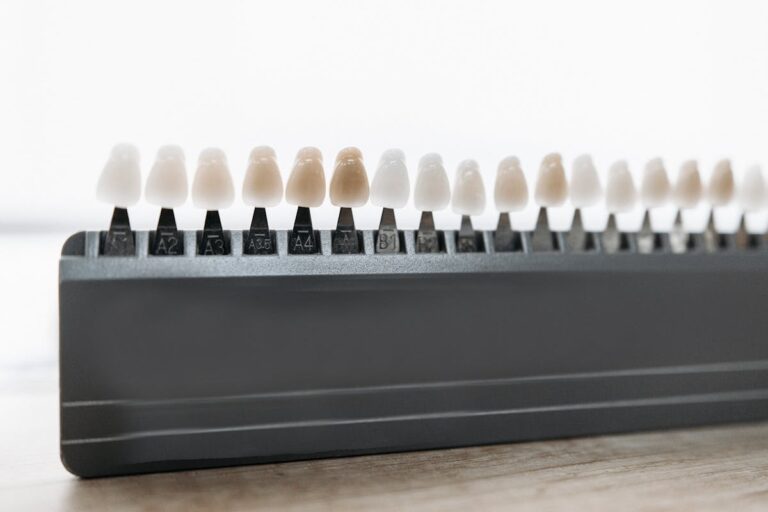
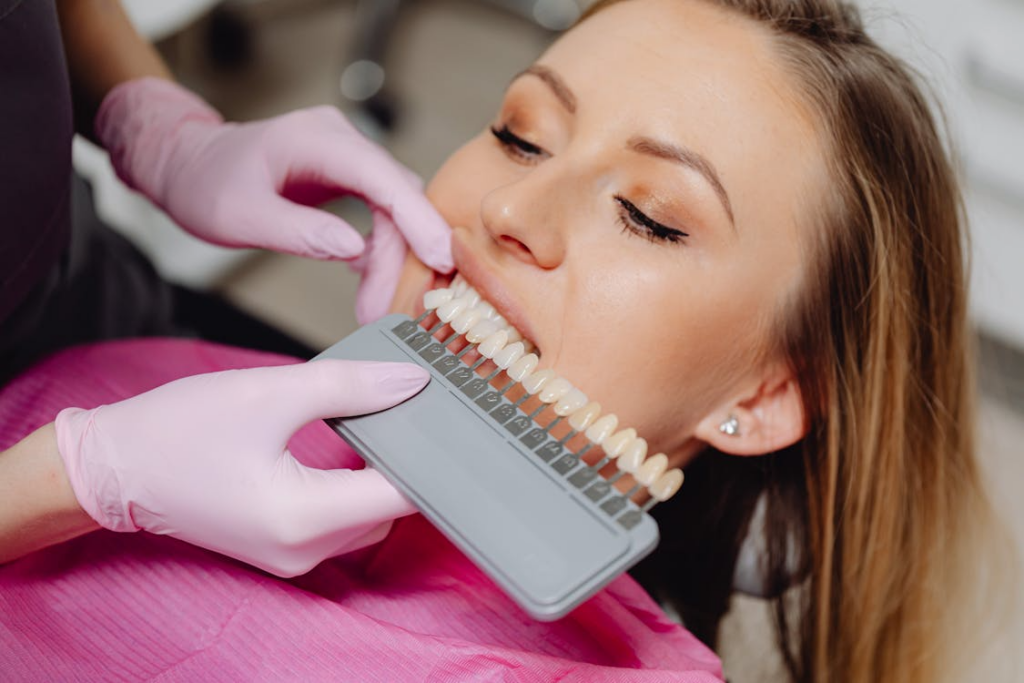
Professional whitening treatments offer controlled environments with higher peroxide concentrations and protective barriers for your gums. In-office procedures typically use 15-35% hydrogen peroxide with custom-fitted trays or carefully applied gels, often combined with heat or LED activation to accelerate the process. Most patients see results equivalent to 3-8 shades lighter on the standard dental color scale within a single 60-90 minute session.
The advantage extends beyond just concentration levels. Dental professionals can identify which type of staining you’re dealing with and adjust the treatment accordingly. They also apply protective barriers to prevent the harsh chemicals from burning your gums — a common problem with poorly fitted at-home trays.
Over-the-counter products work with the same basic chemistry but at much lower concentrations for safety reasons. Whitening strips typically contain 6-10% hydrogen peroxide and require daily use for two weeks to achieve noticeable results. The convenience factor is real, but so are the limitations: generic sizing means uneven coverage, and without professional guidance, many people use them incorrectly or for longer than recommended.
Whitening toothpastes occupy a different category entirely. They rely on mild abrasives like silica or baking soda to scrub away surface stains rather than chemically altering tooth color. While they can maintain results from other treatments, they won’t dramatically lighten teeth that are naturally yellow or deeply stained.
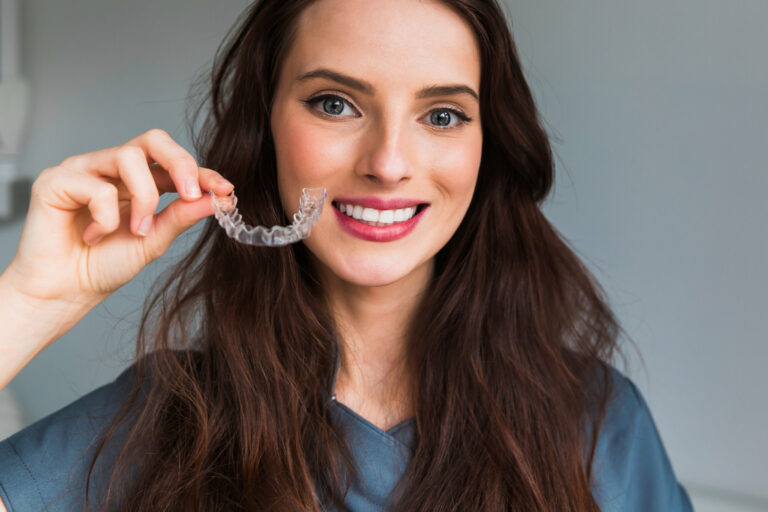
Take-home professional kits split the difference, offering custom-fitted trays with dentist-prescribed gel concentrations (usually 10-22% carbamide peroxide). These provide professional-level results with the convenience of home use, though they typically require 1-2 weeks of daily application to match in-office results.
Natural Remedies and Innovative Whitening Technologies
The internet overflows with DIY whitening solutions, from oil pulling with coconut oil to brushing with activated charcoal. Most of these methods work through mild abrasion or pH changes that temporarily make teeth appear brighter, but research supporting their long-term effectiveness remains limited.
Baking soda does have legitimate whitening properties due to its mild abrasive nature and alkaline pH, which can break down some stain-causing acids. However, regular use can wear down enamel over time, potentially making teeth more susceptible to staining and sensitivity.
Strawberries and pineapple contain natural enzymes that some claim can break down stains, but their acidity can actually weaken enamel temporarily, making teeth more vulnerable to damage if you brush immediately after use.
Emerging technologies are reshaping professional whitening options. LED-accelerated treatments claim to enhance peroxide effectiveness, though recent studies suggest the light primarily serves to heat the gel rather than providing unique chemical benefits. Laser whitening offers precise application and can reduce treatment time, but typically costs significantly more than traditional methods without dramatically superior results.
Whitening mouthwashes represent a maintenance approach rather than a primary treatment. With peroxide concentrations around 1-3%, they can help sustain results from other methods but won’t produce significant lightening on their own. For comprehensive guidance on maintaining optimal oral health alongside whitening treatments, many patients find value in consulting with experienced dental professionals like those at evergreengracedental.com who can provide personalized treatment plans.
What Side Effects and Sensitivity Issues Should You Consider?
Tooth sensitivity represents the most common complaint among whitening patients, affecting roughly 60% of people who use peroxide-based treatments. This sensitivity occurs because the oxidation process temporarily opens the microscopic tubules in your enamel, creating direct pathways to the tooth’s nerve center.
Common Side Effects and How to Mitigate Them
Acute sensitivity typically peaks 24-48 hours after treatment and can make drinking cold beverages or breathing cold air genuinely uncomfortable. The good news: this sensitivity is almost always temporary, resolving within a few days as the enamel structure returns to its normal state.
Gum irritation happens when peroxide gel contacts soft tissues, causing white spots, burning, or swelling along the gum line. This is particularly common with ill-fitting over-the-counter trays or when people apply gel too generously. Professional treatments avoid this issue through careful application techniques and protective barriers.
Uneven whitening can occur when existing dental work (crowns, veneers, or large fillings) doesn’t respond to bleaching agents. Since these materials maintain their original color while natural teeth lighten, the result can be a patchy, artificial appearance that requires additional cosmetic work to correct.
Some people experience temporary throat irritation or stomach upset if they swallow whitening gel, which is why proper application technique and avoiding overuse matters significantly. Following product instructions precisely — particularly regarding contact time and frequency — prevents most adverse reactions.
To minimize these issues, dental professionals often recommend using desensitizing toothpaste for a week before and after treatment, limiting treatment sessions to every other day initially, and avoiding very hot or cold foods during the whitening period.
Managing Whitening for Sensitive Teeth
People with naturally sensitive teeth need modified approaches to achieve whitening goals safely. Carbamide peroxide formulations break down more gradually than hydrogen peroxide, making them gentler for sensitive teeth even though treatment takes longer.
Shorter contact times can reduce sensitivity while still providing results. Instead of overnight tray wear, sensitive teeth often respond better to 2-4 hour applications with lower concentration gels. Some people alternate whitening days with fluoride treatment days to help remineralize and strengthen enamel between sessions.
Potassium nitrate-based desensitizing agents can be applied before whitening to help block the tubules that transmit sensitivity signals. Many professional whitening gels now include these ingredients automatically, but over-the-counter users may need to apply them separately.
For severely sensitive teeth, gradual whitening approaches work better than aggressive treatments. This might mean using the lowest effective concentration over several weeks rather than trying to achieve dramatic results quickly.
How to Choose and Maintain Teeth Whitening Effectively
The most successful whitening outcomes happen when the treatment method matches your specific staining pattern, lifestyle, and sensitivity tolerance. Extrinsic stains from coffee, wine, or smoking respond well to most whitening methods, while intrinsic discoloration from medications or genetics often requires professional evaluation to determine realistic expectations.
Consider your timeline realistically. If you need results for an event in two weeks, professional in-office treatment provides the fastest path to significant lightening. For gradual improvement that fits into daily routines, professional take-home kits or high-quality over-the-counter options work well for many people.
Maintenance requires ongoing attention to your daily habits. The same substances that originally stained your teeth will continue to do so after whitening. Coffee drinkers might consider using a straw to minimize contact with front teeth, while wine enthusiasts often benefit from rinsing with water between sips during meals.
Whitening isn’t permanent — results typically last 1-3 years depending on lifestyle factors. Rather than waiting for complete fade-back, many people find success with maintenance treatments every 6-12 months using lower concentrations or shorter application times.
Timing matters for optimal results and minimal sensitivity. Avoid whitening immediately before dental cleanings, as freshly polished teeth can be more sensitive to peroxide. Similarly, if you’re planning major dental work, complete whitening first since new crowns or fillings will be matched to your current tooth color.
Your diet during and immediately after whitening affects both results and sensitivity. Avoiding acidic foods and drinks for 24-48 hours after treatment helps prevent enamel weakening and reduces the risk of increased sensitivity.
What Are Common Teeth Whitening Myths and Realities?
The biggest misconception about teeth whitening centers on the belief that natural remedies work as effectively as peroxide-based treatments. While lemon juice, apple cider vinegar, and similar acidic substances can temporarily make teeth appear brighter by removing surface buildup, they achieve this through enamel erosion rather than true whitening — potentially causing permanent damage that makes teeth more susceptible to staining and decay.
“Whitening damages enamel permanently” represents another persistent myth that prevents people from considering legitimate treatments. Research consistently shows that properly used peroxide treatments cause only temporary, reversible changes to enamel structure. The key lies in proper concentration and application time — problems arise when people exceed recommended usage or use products inappropriately.
Many people believe all stains respond equally to whitening, leading to unrealistic expectations. Yellow and brown discoloration typically lightens dramatically, while gray stains from tetracycline exposure or fluorosis often resist treatment entirely. Professional evaluation can identify which category your staining falls into before you invest time and money in potentially ineffective treatments.
The notion that professional treatments always work better than at-home options oversimplifies the reality. While professional treatments offer higher concentrations and expert application, some people achieve excellent results with quality at-home products used consistently over longer periods. The choice depends on your specific goals, timeline, and sensitivity tolerance.
Understanding these realities helps set appropriate expectations and choose methods that align with your actual dental situation rather than marketing promises or internet folklore.
The whitening landscape will likely continue evolving as researchers develop gentler formulations and more targeted delivery systems. For now, the most effective approach involves understanding your specific staining pattern, choosing methods based on evidence rather than trends, and working with dental professionals when sensitivity or existing dental work complicates the picture. The goal isn’t just whiter teeth, but maintaining long-term oral health while achieving the aesthetic improvements you’re seeking.