If you’re considering dental implants in St. Augustine, you’ll want to understand what makes someone a suitable candidate. Factors like your overall health, jawbone density, and gum condition play critical roles in the success of the procedure. Even lifestyle habits and age can influence your eligibility. Before moving forward, it’s important to explore these aspects carefully to guarantee the best possible outcome for your dental health.
Understanding Dental Implants and Their Benefits
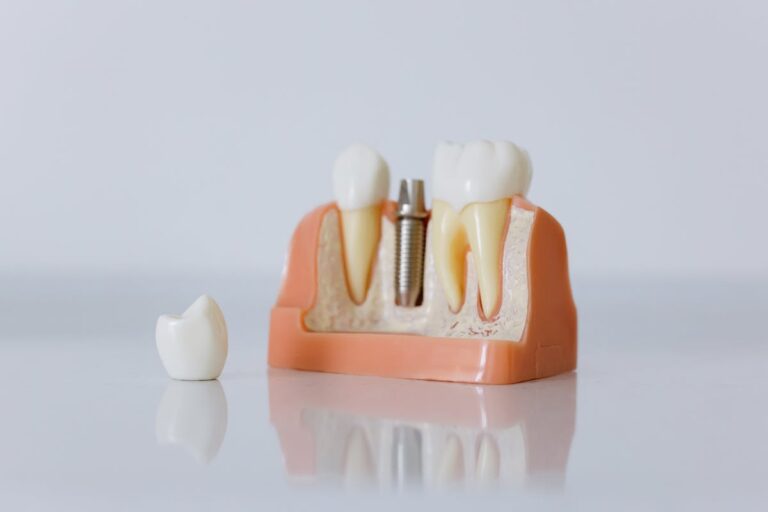
Although you might be exploring dental implants as a solution for missing teeth, it’s important to understand what they are and how they function. Dental implants are titanium posts surgically placed into the jawbone, serving as artificial roots for replacement teeth. There are several dental implant types, including endosteal (in the bone), subperiosteal (on the bone), and zygomatic implants, each suited to different anatomical needs. Knowing these options helps you and your dentist select the best fit. Implant success factors depend on bone quality, proper placement, and oral hygiene. Understanding these elements guarantees you set realistic expectations and increase the likelihood of a successful, long-lasting restoration, enhancing both function and aesthetics.
Essential Health Requirements for Dental Implant Candidates
To qualify for dental implants, you need sufficient bone density to support the implant securely. Healthy gums are equally important, as gum disease can compromise implant success. Meeting these criteria helps guarantee a stable and lasting restoration.
Bone Density Needs
Even if you meet many health criteria for dental implants, sufficient bone density is essential to guarantee the implant’s stability and long-term success. Without enough bone, the implant may fail to integrate properly, reducing implant success rates. In these cases, patients exploring affordable dental implants in St Augustine may be advised to consider bone grafting options to strengthen the jawbone before implant placement.
Here are key points to evaluate about bone density:
- Adequate bone volume supports implant anchorage.
- Bone quality affects implant integration speed.
- Bone grafting can restore insufficient bone areas.
- Regular imaging helps monitor bone health for implants.
Understanding your bone density guarantees a tailored approach, maximizing your chances of a successful dental implant outcome.
Gum Health Criteria
While adequate bone density provides the foundation for implant stability, healthy gums play an equally important role in supporting and protecting your dental implants. Your gum tissue must be free from active infections or inflammation to guarantee successful implant integration. Periodontal health is essential because gum disease can compromise the implant site, leading to implant failure. Before proceeding, your dentist will evaluate your gum tissue for signs of gingivitis or periodontitis and may recommend treatment to restore periodontal health. Maintaining good oral hygiene and regular dental check-ups will help preserve your gum tissue’s health after implantation. If your gums are healthy and stable, you increase the likelihood of long-term success with dental implants in St Augustine.
Importance of Sufficient Jawbone Density
Because dental implants rely on stable support, having sufficient jawbone density is essential for their success. Before implant placement, a thorough jawbone assessment guarantees your bone can securely anchor the implant. Without enough density, the implant may fail or become loose. Here’s why it matters:
- Provides a strong foundation for implant stability
- Prevents implant failure caused by bone insufficiency
- Supports proper osseointegration for long-term durability
- Allows precise placement, enhancing overall implant success
If your jawbone lacks density, your dentist might recommend bone grafting or alternative treatments to improve your candidacy. Securing a robust jawbone through professional evaluation is a critical step toward achieving successful dental implants in St Augustine.
Evaluating Gum Health Before Implant Placement
Before getting dental implants, you’ll need a thorough evaluation of your gum health to rule out any signs of gum disease. Healthy gums are essential for supporting the implant and ensuring long-term success. If issues are found, targeted treatments must be completed before proceeding with implant placement.
Assessing Gum Disease
Since healthy gums provide the foundation for successful dental implants, evaluating gum disease is an important step in your assessment. Untreated gum disease can compromise implant stability, so identifying and managing it beforehand is vital. Here’s how your dentist will assess your gum health:
- Clinical Examination – Checking for redness, swelling, and bleeding, common signs of gum disease.
- Periodontal Probing – Measuring pocket depths around teeth to detect gum detachment.
- X-rays – Evaluating bone loss associated with advanced gum disease.
- Treatment Options Discussion – If gum disease is present, your dentist will recommend treatments like scaling, root planing, or surgery to restore gum health before implant placement.
Addressing gum disease early guarantees your gums provide a stable, healthy environment for dental implants.
Importance of Healthy Gums
Although dental implants offer a reliable solution for tooth replacement, their success largely depends on the health of your gums. Healthy gum tissue provides the necessary foundation for implants to integrate securely with your jawbone. If your gums are inflamed or infected, it can compromise the healing process and increase the risk of implant failure. That’s why your dentist will carefully evaluate your gum health before proceeding. Maintaining excellent oral hygiene is essential to keep your gum tissue strong and free from disease. Proper brushing, flossing, and regular dental check-ups help prevent gum inflammation, ensuring a stable environment for the implant. Prioritizing gum health not only supports implant success but also promotes overall oral wellness in the long term.
Pre-implant Gum Treatment
Ensuring your gums are in ideal condition is a key step before moving forward with dental implant placement. Your dentist will conduct thorough pre implant assessments to evaluate gum health and identify any issues that need addressing. These evaluations help determine the most suitable gum treatment options tailored to your needs. Common steps include:
- Measuring gum pocket depths to detect periodontal disease.
- Taking X-rays to assess bone and gum structure.
- Treating any existing gum infections or inflammation.
- Recommending professional cleanings or minor surgical procedures if necessary.
Age Considerations for Dental Implant Eligibility
When considering dental implants, your age plays a significant role in determining eligibility. Age factors influence bone density and healing capacity, both critical for successful implantation. Younger candidates typically benefit from ongoing bone growth, while senior candidates may face challenges like reduced bone volume or slower recovery. However, age alone doesn’t disqualify you; thorough evaluation of your oral health and bone structure is essential. Senior candidates with good overall health and sufficient jawbone often experience successful outcomes. Your dental professional in St Augustine will assess these age-related factors carefully to guarantee implants are a safe and effective option for you. Ultimately, personalized assessment guides the decision, making dental implants accessible across various age groups when conditions are favorable.
Impact of Chronic Diseases on Implant Success
If you have chronic conditions like diabetes, cardiovascular issues, or autoimmune diseases, these can affect how well your dental implants heal and integrate. Managing these health concerns carefully is essential to improve your chances of implant success. Understanding these impacts helps you and your dentist develop the best treatment plan.
Diabetes and Implant Healing
Although diabetes can complicate the healing process after dental implant surgery, it doesn’t automatically disqualify you from being a candidate. Proper diabetes management is essential to improve your chances of implant success. Here’s what you need to take into account:
- Blood Sugar Control: Maintaining stable blood glucose levels reduces infection risk and promotes healing.
- Regular Medical Monitoring: Frequent check-ups guarantee your diabetes stays well-managed during the implant process.
- Oral Hygiene Commitment: Good oral care minimizes complications that can affect implant integration.
- Communication with Your Dentist: Inform your dental team about your condition for tailored treatment plans.
Cardiovascular Health Considerations
Since cardiovascular health greatly influences your body’s ability to heal, it’s important to understand how chronic heart conditions can affect dental implant success. If you have heart disease or other cardiovascular issues, your healing after implant surgery might be slower or more complicated. Cardiovascular medications you’re taking, such as blood thinners, can increase bleeding risks during and after the procedure, requiring careful management. Additionally, compromised heart health can reduce blood flow, impacting bone integration around the implant. Before proceeding, your dental specialist will likely consult with your cardiologist to ascertain your condition is stable and medications are appropriately managed. By addressing these factors, your chances of successful implant healing improve, helping you achieve the best possible outcome while maintaining overall heart health.
Managing Autoimmune Conditions
When managing autoimmune conditions, you need to recognize how these chronic diseases can affect your body’s response to dental implants. Autoimmune therapies and the chronic inflammation they cause can influence healing and implant integration. Here’s what you should consider:
- Consult your healthcare provider to coordinate autoimmune therapies before implant surgery.
- Evaluate your inflammation levels, as uncontrolled inflammation can impair osseointegration.
- Maintain strict oral hygiene to reduce infection risks, since autoimmune conditions may compromise immunity.
- Schedule regular follow-ups to monitor implant health and catch complications early.
Lifestyle Factors That Affect Implant Outcomes
Because your daily habits can greatly influence the success of dental implants, it’s important to understand which lifestyle factors affect implant outcomes. Your lifestyle habits, such as maintaining good oral hygiene and managing stress, play a critical role in healing and long-term implant stability. Additionally, your dietary choices matter; a balanced diet rich in vitamins and minerals supports bone health and tissue repair, promoting successful integration of implants. Conversely, poor nutrition can delay healing and increase the risk of complications. Staying hydrated and avoiding excessive consumption of sugary or acidic foods also helps maintain oral health. By adopting positive lifestyle habits and mindful dietary choices, you enhance the likelihood that your dental implants will function effectively and last for many years.
The Role of Smoking in Dental Implant Candidacy
Your lifestyle choices don’t just influence healing and nutrition—they also include habits like smoking, which can greatly impact your eligibility for dental implants. Smoking affects your oral health and the success of implant integration, so it’s vital to understand its role. Here’s how smoking can influence your candidacy:
- Smoking reduces blood flow to the gums, impairing healing after implant surgery.
- It increases your risk of infections, which can compromise implant stability.
- Poor oral hygiene combined with smoking further elevates the chance of implant failure.
- Smoking cessation before and after surgery markedly improves implant success rates.
If you’re a smoker considering implants, discussing smoking cessation with your dental professional is essential to enhance your treatment outcome.
Pre-implant Dental Procedures and Preparations
Although dental implants offer a durable solution for tooth replacement, successful implantation often depends on thorough pre-implant procedures and careful preparation. During your pre implant consultations, your dentist will evaluate your oral health, discuss your expectations, and outline the treatment plan. Dental imaging, such as X-rays or CT scans, provides detailed insight into your jawbone structure and helps identify any potential complications. These images are essential for precise implant placement and determining bone density. Additionally, any existing dental issues like gum disease or infections must be treated before proceeding. You may also need bone grafting if your jawbone lacks sufficient volume. By completing these preparatory steps, you’ll enhance the likelihood of a successful implant, ensuring long-term stability and function.
How to Discuss Your Medical History With Your Dentist
Since dental implants involve surgical procedures, it is essential to provide your dentist with a complete and accurate medical history. This helps guarantee your safety and the success of the implant. When discussing your medical history, focus on:
- Listing any chronic medical conditions you have, such as diabetes or heart disease.
- Detailing all past surgeries, especially those related to your jaw, mouth, or any implantable devices.
- Informing about any medications or supplements you’re currently taking.
- Disclosing allergies or adverse reactions to medications or anesthesia.
Being transparent about these aspects allows your dentist to evaluate potential risks and customize your treatment plan effectively. Don’t hesitate to ask questions or clarify concerns regarding how your medical conditions may impact the implant procedure. Your thoroughness directly supports a safer and more predictable outcome.
Frequently Asked Questions
How Long Does the Dental Implant Procedure Usually Take?
The dental implant procedure typically takes several months, as the implant timeline includes surgery, healing, and osseointegration. You should expect recovery expectations to span 3-6 months before the final restoration is placed for ideal results.
What Materials Are Used for Dental Implants?
Dental implant materials primarily include titanium and zirconia, known for durability and biocompatibility. Implant types vary, but these materials guarantee stability and integration with your jawbone, providing a reliable foundation for your dental restoration.
Are Dental Implants Covered by Insurance?
Dental implants may not be fully covered by insurance coverage, but some dental benefits can help with partial costs. You should check your specific plan details or consult your provider to understand your insurance coverage options.
Can Dental Implants Be Whitened Like Natural Teeth?
Dental implants can’t be whitened like natural teeth because whitening methods don’t affect the implant material. Instead, focus on proper implant maintenance, including regular cleaning and dental check-ups, to keep your smile looking its best.
How Soon Can I Eat Normally After Getting Implants?
You can usually eat soft foods within 24-48 hours after surgery, but normal eating resumes after your recovery timeline, often 2-3 months. Following post operative care instructions guarantees proper healing and implant success.