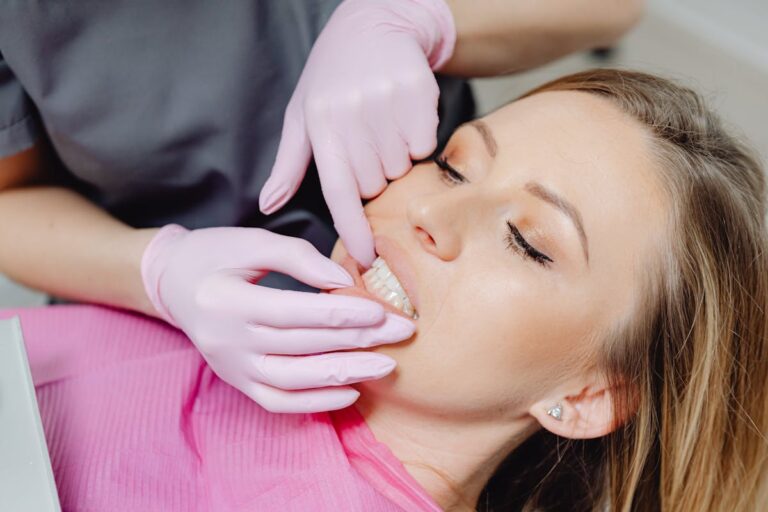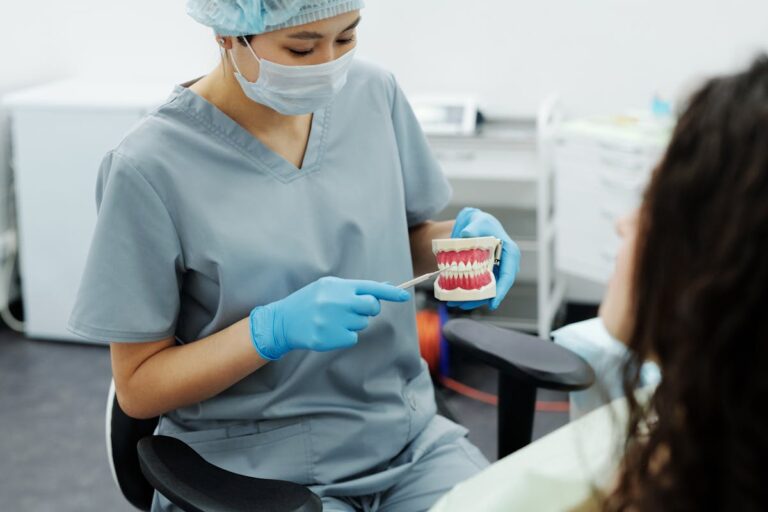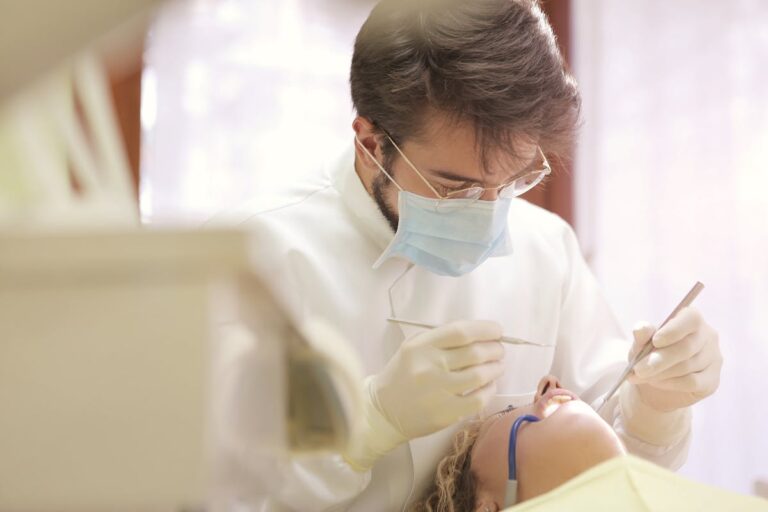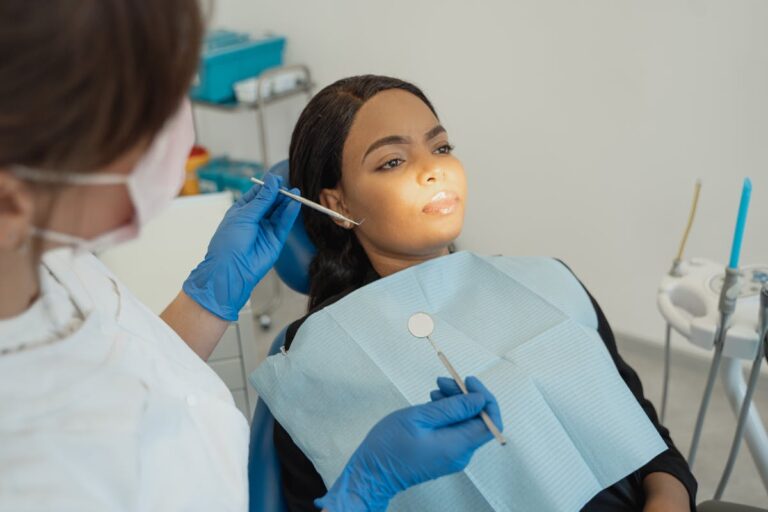
You’re likely aware that preventive dental care is essential to maintaining ideal oral health. In Dearborn Heights, the benefits extend beyond just clean teeth. Regular check-ups facilitate early detection of dental issues, allowing for timely interventions. This proactive approach can reduce the risk of cavities and gum disease, ultimately impacting your overall well-being. But how does this translate into personalized care strategies that encourage healthier habits? Let’s explore further.
Importance of Regular Check-Ups
When it comes to maintaining ideal oral health, regular dental check-ups are indispensable. Consistency in these appointments is key to preventing oral diseases and ensuring optimal dental hygiene. Your commitment to routine visits allows dental professionals to conduct thorough evaluations, enhancing the longevity of your teeth and gums. This consistency supports the early identification of potential issues, but it also serves as a cornerstone for patient education, empowering you to make informed decisions about your oral health.
During these check-ups, clinicians utilize advanced diagnostic tools and techniques to assess your dental health extensively. They’ll educate you on personalized oral hygiene strategies, fostering a proactive approach to dental care. Understanding the importance of consistency in your dental regimen is vital for sustaining a healthy, vibrant smile.
Early Detection of Dental Issues
Early detection of dental issues is essential for maintaining ideal oral health and preventing more severe complications. By undergoing regular dental examinations, you enable early diagnosis of potential concerns such as cavities, gum disease, or oral infections. When these issues are identified promptly, timely treatment can be administered, minimizing the risk of progression and preserving your oral health. Dental professionals utilize advanced diagnostic tools, such as digital X-rays and intraoral cameras, to guarantee thorough evaluations. These technologies enhance the accuracy of detecting subclinical abnormalities that might otherwise escape notice. For a more holistic approach, consider comprehensive preventive dental services to ensure your oral health is maintained proactively. As a patient, prioritizing early detection not only mitigates discomfort and deterioration but also supports the long-term functionality and aesthetics of your teeth and gums. Embrace preventive care to safeguard your smile’s future.
Cost-Effectiveness of Preventive Care
Although investing in preventive dental care might seem like an upfront expense, it ultimately proves to be cost-effective. By prioritizing regular dental check-ups, cleanings, and screenings, you can achieve substantial cost savings over time. These proactive measures help you avoid the financial burden of extensive treatments often necessitated by neglected oral health. From a financial planning perspective, allocating resources towards preventive care is a strategic decision. It mitigates potential unforeseen expenses associated with dental emergencies, preserving your budget. In addition, insurance plans frequently provide better coverage for preventive services, optimizing your out-of-pocket costs. By embracing preventive care, you’re not just enhancing oral health but also safeguarding your financial stability, ensuring a sustainable approach to dental wellness in Dearborn Heights.
Reducing the Risk of Cavities
To effectively reduce your risk of cavities, it’s essential to maintain regular dental check-ups and practice effective oral hygiene. Your dentist can identify early signs of decay and provide tailored advice, ensuring your oral health is optimized. Implementing daily brushing and flossing routines, alongside professional cleanings, will notably minimize plaque accumulation and tooth decay.
Regular Dental Check-ups
Regular dental check-ups play an essential role in reducing the risk of cavities by enabling early detection and intervention. During these visits, your dental professional can identify potential issues before they develop into serious problems. Addressing dental anxiety is vital, as it might deter you from attending regular appointments. Dentists utilize patient education to alleviate fears, providing insights into procedures and emphasizing the importance of preventive care. By understanding the process, you’re more likely to adhere to recommended check-up schedules. These visits also allow for the monitoring of oral health status, ensuring any emerging concerns are promptly managed. Regular evaluations, coupled with professional cleanings, greatly minimize cavity risk, safeguarding your dental health in Dearborn Heights.
Effective Oral Hygiene
Achieving ideal oral hygiene requires a diligent and consistent approach, as it’s fundamental in reducing the risk of cavities. Implementing effective brushing and flossing techniques is critical. Brush twice daily using a fluoride toothpaste, ensuring you cover all tooth surfaces with gentle, circular motions. This promotes optimal plaque removal and strengthens enamel.
Equally important, mastering proper flossing techniques is essential. Use approximately 18 inches of floss, gently guiding it between each tooth, forming a “C” shape to effectively dislodge debris and plaque. This meticulous process aids in preventing interproximal decay and gingivitis, which are precursors to cavity development.
Consistent application of these practices, alongside regular dental check-ups, empowers you to maintain oral health and minimize the likelihood of carious lesions.
Preventing Gum Disease
While many dental concerns can be intimidating, preventing gum disease remains a significant aspect of oral health that shouldn’t be overlooked. Gum disease, or periodontal disease, is primarily caused by the accumulation of oral bacteria along the gumline. This bacterial build-up can lead to inflammation and, if untreated, may progress to more severe stages, potentially resulting in tooth loss. You can effectively mitigate the risk by maintaining a diligent oral hygiene regimen, which includes brushing twice daily and flossing regularly. Regular dental check-ups, ideally every six months, are essential in identifying early signs of gum disease. Your dentist can provide professional cleanings to remove plaque and tartar, further minimizing oral bacteria and supporting your gum health. Proactive care is important.
Enhancing Overall Oral Health
You’ll find that preventive dental care plays an essential role in avoiding common dental issues such as cavities and periodontal disease. By adhering to a routine of regular check-ups and cleanings, you’re actively maintaining healthy gums, which are fundamental to your overall oral health. This proactive approach not only minimizes the risk of complex dental procedures but also guarantees your oral cavity remains a robust system.
Preventing Dental Issues
Even though many people may overlook it, preventive dental care plays an essential role in maintaining excellent oral health by mitigating the onset of dental issues such as cavities, gingivitis, and periodontal disease. By prioritizing regular check-ups, you can guarantee that your teeth alignment is superior, reducing the risk of uneven wear and associated complications. Professional fluoride treatments further fortify your enamel, making it more resistant to the acids produced by harmful bacteria. This dual approach not only safeguards your teeth from decay but also enhances their structural integrity. Additionally, early detection of potential issues allows for timely intervention, minimizing future invasive procedures. By investing in preventive care, you’re taking a proactive stance in preserving your oral health and overall wellbeing.
Maintaining Healthy Gums
Healthy gums are the foundation of ideal oral health, serving as both a protective barrier and support structure for your teeth. Prioritizing gum care is essential for maintaining periodontal health and preventing diseases like gingivitis and periodontitis. Here are three critical strategies to guarantee your gums remain healthy:
- Daily Brushing and Flossing: Use a soft-bristled toothbrush and fluoride toothpaste to gently clean along the gum line, and floss daily to remove plaque and food particles.
- Regular Dental Check-Ups: Schedule biannual visits with your dentist for professional cleanings and early detection of any gum-related issues.
- Balanced Diet: Consume a diet rich in vitamins C and D, calcium, and antioxidants to bolster gum resilience and reduce inflammation.
Impact on Overall Well-Being
While often overlooked, preventive dental care plays an essential role in enhancing overall well-being. By prioritizing oral health, you’re not only protecting your teeth and gums but also bolstering your mental wellness. Studies have shown that good oral hygiene can considerably reduce the risk of systemic conditions like cardiovascular disease and diabetes. Maintaining ideal oral health decreases inflammation and bacterial load, minimizing the strain on your immune system.
Moreover, a healthy smile can profoundly impact your self-esteem and social interactions, directly influencing mental wellness. When you’re confident in your dental health, it translates into a more positive self-image. Regular dental check-ups and cleanings guarantee that potential issues are identified early, preventing complications that could otherwise detract from your overall health and well-being.
The Role of Dental Cleanings
Regular dental cleanings are integral to preventive dental care, as they effectively remove plaque and tartar that brushing and flossing alone can’t eliminate. By employing advanced dental cleaning techniques, your dental hygienist targets these stubborn deposits, reducing the risk of periodontal disease and tooth decay. The benefits of prophylaxis extend beyond just a cleaner mouth; they contribute to your overall oral health.
Here’s why dental cleanings are essential:
- Plaque and Tartar Removal: Professional cleanings reach areas your toothbrush misses, preventing cavities and gum issues.
- Early Detection: Regular visits enable your dentist to identify potential problems early on, avoiding complex treatments.
- Enhanced Aesthetics: Cleanings help maintain a bright smile by polishing away surface stains.
Prioritize your dental health through regular cleanings.
Personalized Dental Care Strategies
Just as dental cleanings are essential for maintaining oral health, personalized dental care strategies consider your unique dental needs and lifestyle, guaranteeing a thorough approach to preventive care. By implementing customized treatment plans, your dentist evaluates factors like genetic predispositions, oral hygiene habits, and dietary influences to address potential issues proactively. Tailored plans focus on specific interventions, such as fluoride treatments for enamel strengthening or sealants for cavity prevention. This individualized attention guarantees that each aspect of your oral health receives the necessary care. Dentists use advanced diagnostics to identify early signs of decay or gum disease, allowing for timely intervention. Personalized care empowers you to achieve peak oral health, minimizing long-term dental complications and enhancing your overall well-being.
Encouraging Healthy Habits
You’re encouraged to prioritize daily oral hygiene, as consistent brushing and flossing are vital in preventing dental pathologies. Regular dental checkups enable early detection of potential issues, reducing the need for complex interventions. Additionally, a balanced diet rich in essential nutrients supports oral health by fortifying tooth structure and promoting gum resilience.
Daily Oral Hygiene
Although it might seem mundane, maintaining daily oral hygiene is essential for preventing dental diseases and fostering long-term oral health. Implementing proper toothbrush techniques and recognizing the flossing significance are key components. Here’s a practical guide to enhance your routine:
- Toothbrush Techniques: Use a soft-bristled brush and a fluoride toothpaste. Hold your toothbrush at a 45-degree angle to the gums. Brush gently in circular motions for two minutes, covering all surfaces.
- Flossing Significance: Floss daily to remove plaque and food particles between teeth, which toothbrushes can’t reach. This reduces the risk of periodontal disease and cavities.
- Consistency is Key: Establish a consistent morning and evening routine to guarantee thorough care. Prioritize these habits to maintain peak oral health and prevent complications.
Regular Dental Checkups
Regular dental checkups play a pivotal role in maintaining ideal oral health by detecting issues before they escalate into serious problems. During these appointments, your dentist utilizes preventive measures, such as thorough cleanings and examinations, to identify potential concerns like cavities or gum disease. This proactive approach guarantees early intervention, minimizing the need for more invasive procedures.
Moreover, checkups provide an opportunity for dental education. Your dentist will offer personalized advice on proper oral hygiene techniques and recommend specific products tailored to your needs. They’ll also discuss lifestyle factors influencing your oral health, helping you cultivate healthy habits. By adhering to a regular checkup schedule, you’re not only safeguarding your teeth and gums but also investing in long-term oral health.
Balanced Diet Importance
A balanced diet is integral to maintaining ideal oral health, serving as a foundation for strong teeth and gums. Prioritizing nutrient-rich foods enhances dental nutrition, fostering an environment where oral tissues can thrive. To optimize your oral health, consider these dietary guidelines:
- Calcium and Phosphorus-Rich Foods: Consume dairy, fish, and leafy greens to fortify tooth enamel and prevent decay.
- Vitamin C Sources: Integrate citrus fruits, berries, and broccoli to support gum health and combat inflammation.
- Limit Sugars and Acidic Beverages: Minimize the intake of soda, candy, and processed snacks to reduce plaque buildup and erosion.
Frequently Asked Questions
How Often Should I Change My Toothbrush?
You should change your toothbrush every three to four months to guarantee ideal oral hygiene. Proper toothbrush storage involves keeping it upright and allowing it to air-dry. This helps maintain its lifespan and effectiveness.
Can Preventive Dental Care Improve My Smile’s Appearance?
Yes, preventive dental care can enhance your smile’s appearance. Regular cleanings and check-ups reduce plaque and tartar, minimizing the need for more invasive cosmetic procedures. It’s about maintaining health and aesthetics simultaneously, ensuring ideal smile enhancement.
Is Fluoride Treatment Necessary for Adults?
Yes, fluoride treatment’s essential for adult dental health. Its benefits include reinforcing enamel, reducing decay risk, and combating sensitivity. Regular application guarantees long-term protection, maintaining your smile’s integrity and preventing costly future dental procedures.
How Does Diet Influence Dental Health?
Your dietary habits greatly impact dental health. High sugar intake promotes bacterial growth, leading to cavities. Consuming balanced nutrients supports strong teeth and gums. Limiting sugar and maintaining proper nutrition are essential for ideal oral health.
Are There Specific Dental Care Tips for Children?
For children’s dental care, use age-appropriate toothbrush techniques to guarantee effective plaque removal. Focus on cavity prevention with fluoride toothpaste. Encourage regular dental visits and limit sugary snacks to maintain peak oral health. Your child’s smile depends on it.