According to the American Dental Association’s 2023 clinical guidelines, adults lose an average of 25% of their jawbone width within the first year after tooth extraction — a process that accelerates without intervention. As dental technology advances and implant success rates climb above 95%, the conversation has shifted from simply replacing missing teeth to preventing the cascade of bone loss that follows. This isn’t just about aesthetics or chewing function; it’s about maintaining the structural foundation that supports your entire facial profile and oral health for decades to come. Understanding how dental implants uniquely address bone preservation — while other tooth replacement options fail to — reveals why timing and treatment choice matter more than most people realize.
How Do Dental Implants Preserve Jawbone Health?
When you lose a tooth, the jawbone beneath it begins deteriorating almost immediately. Think of it like a muscle that’s no longer being exercised — without the constant pressure and stimulation from chewing, the bone tissue starts breaking down and reabsorbing into the body. This process, called bone resorption, doesn’t stop on its own and can lead to significant facial changes over time.
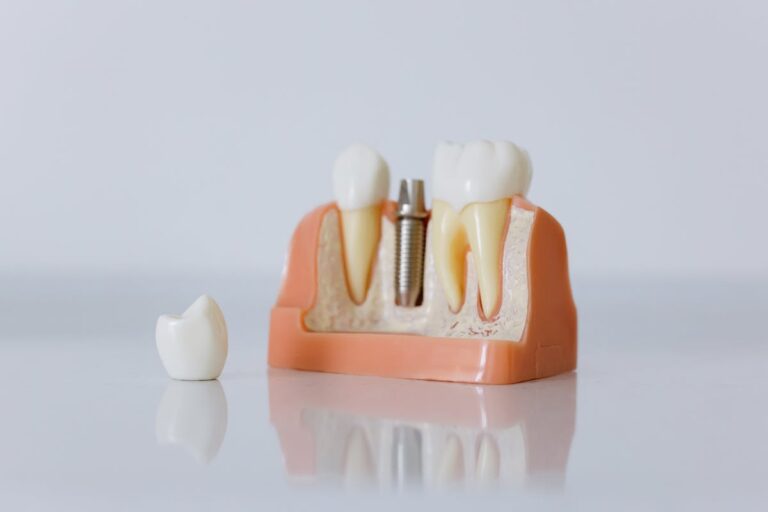
Dental implants work fundamentally differently than dentures or bridges because they replace both the visible tooth and the root structure below the gumline. The titanium implant post functions as an artificial tooth root, transmitting the forces from chewing directly into the jawbone. This mechanical stimulation triggers the same biological response that natural tooth roots provide, signaling the bone to maintain its density and structure.
The difference becomes apparent relatively quickly. Within months of implant placement, the surrounding bone tissue actually grows around and integrates with the implant surface through a process called osseointegration. This creates a stable foundation that not only supports the replacement tooth but actively preserves the bone that would otherwise deteriorate. Patients who receive implants shortly after tooth loss maintain significantly more bone volume compared to those who wait years or choose alternative treatments.
What makes this particularly important is the domino effect of bone loss. When the jawbone shrinks, it can affect neighboring teeth, alter your bite pattern, and change the shape of your lower face. The sunken appearance often associated with aging is frequently the result of progressive bone loss from missing teeth — a problem that implant dentists in Aventura can prevent through timely intervention and proper treatment planning.
What Is the Biological Process Behind Implant Integration?
The magic of dental implants lies in osseointegration — a biological phenomenon discovered somewhat accidentally in the 1950s when researchers noticed that titanium fused directly with living bone tissue. This isn’t simply the bone growing around the implant like scar tissue; it’s actual bone cells incorporating the implant surface into their structure, creating a bond stronger than the original tooth root connection.
The process begins within hours of implant placement. Blood vessels start forming around the titanium surface, delivering the nutrients and cells needed for bone growth. Over the next several weeks, specialized bone-building cells called osteoblasts begin depositing new bone material directly onto the implant threads. Meanwhile, the implant’s surface — which is often treated with special textures or coatings — encourages this cellular attachment and growth.
Within three to six months, the implant becomes mechanically locked into the jawbone through this biological integration. Unlike a natural tooth, which is held in place by periodontal ligaments that provide some flexibility, an integrated implant becomes part of the bone structure itself. This rigid connection is what allows implants to handle the significant forces generated during chewing — up to 200 pounds per square inch for back molars.
This integration process also explains why implants are so effective at preserving bone long-term. The mechanical forces transmitted through the implant during normal function continue to stimulate bone remodeling throughout the patient’s lifetime, maintaining bone density in ways that removable appliances simply cannot achieve.
Who Is a Good Candidate and What Are the Risks?
What Factors Determine Dental Implant Candidacy?
Successful implant placement depends heavily on having adequate bone density and volume at the implant site, along with healthy gums and realistic expectations about the treatment timeline. Most adults with good general health qualify for implants, but certain conditions require careful evaluation.
Bone quality is the primary determining factor. Patients who’ve been missing teeth for extended periods may need bone grafting procedures to rebuild the foundation before implant placement. Age itself isn’t a limiting factor — many patients in their seventies and eighties receive implants successfully — but conditions like uncontrolled diabetes, active gum disease, or heavy smoking can compromise healing and integration.
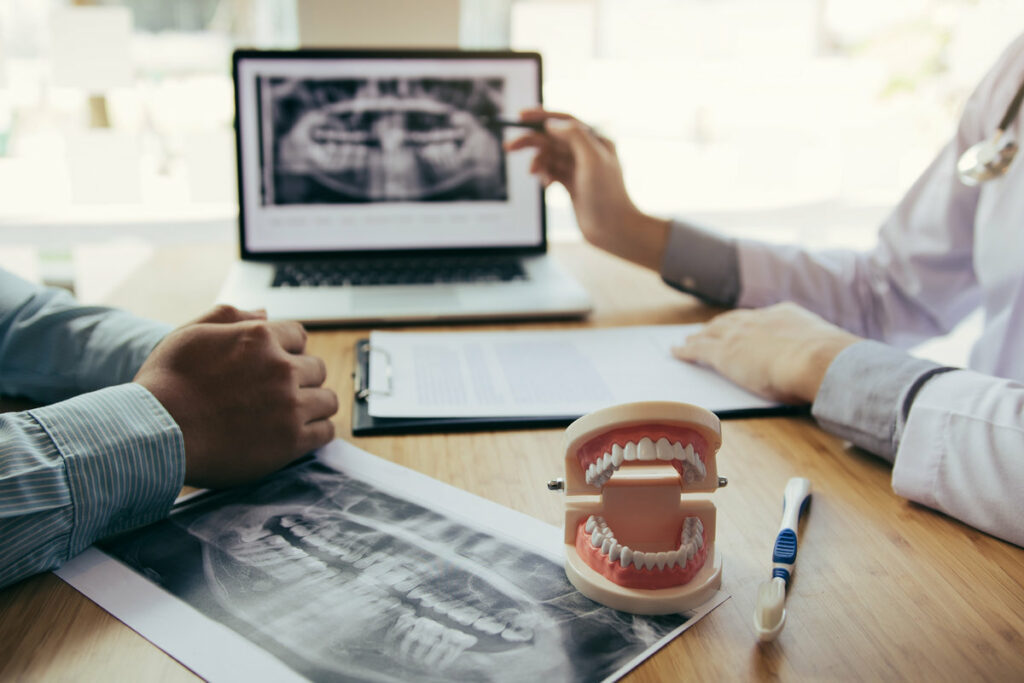
The evaluation process typically involves 3D imaging to assess bone structure, medical history review, and sometimes blood work to ensure optimal healing conditions. Patients taking certain medications, particularly those that affect bone metabolism, may need treatment modifications or timing adjustments.
What Risks and Complications Should Patients Consider?
Like any surgical procedure, dental implant placement carries inherent risks, though serious complications remain relatively rare when performed by experienced practitioners. The most common issues include temporary swelling, minor bleeding, and discomfort that typically resolves within a few days to a week.
More significant concerns include implant failure — when osseointegration doesn’t occur properly — which happens in roughly 2-3% of cases. This risk increases with smoking, poor oral hygiene, or certain medical conditions. Infection at the implant site can occur if post-operative care instructions aren’t followed carefully, though antibiotics and proper wound care usually prevent serious problems.
Nerve damage, while uncommon, represents the most serious potential complication, particularly with lower jaw implants placed near the nerve that provides sensation to the lip and chin. Careful pre-surgical planning using advanced imaging helps minimize this risk, but patients should understand that temporary or permanent numbness remains a possibility.
How Do Dental Implants Compare with Dentures and Bridges?
The fundamental difference between implants and other tooth replacement options comes down to what happens below the gumline. Dentures and bridges replace only the visible portion of missing teeth, leaving the underlying bone without the stimulation it needs to maintain its structure. This creates a significant long-term disadvantage that becomes more pronounced over time.
Traditional dentures rest on the gum tissue and rely on suction or adhesives for retention. While they restore basic chewing function, they can actually accelerate bone loss by creating uneven pressure points on the gums. Many denture wearers experience progressive loosening as their jawbone shrinks, requiring frequent adjustments, relines, or complete replacements. The average denture needs replacement every 5-8 years, partly due to these ongoing changes in bone structure.
Fixed bridges offer better stability than removable dentures by anchoring to adjacent teeth, but they require grinding down healthy tooth structure to accommodate the supporting crowns. More importantly, bridges don’t address bone loss at the missing tooth site. Over time, the bone beneath the bridge continues to recede, potentially creating cleaning challenges and aesthetic issues. Bridges typically last 10-15 years before requiring replacement.
Dental implants address both the visible tooth replacement and the underlying bone health simultaneously. Because each implant functions independently, adjacent teeth remain untouched and healthy. The bone preservation benefits become increasingly valuable over decades — a 45-year-old patient who chooses implants over a bridge may avoid multiple bridge replacements and the associated bone loss throughout their lifetime.
From a maintenance perspective, implants require similar care to natural teeth — regular brushing, flossing, and professional cleanings — while dentures and bridges often need specialized cleaning techniques and periodic professional adjustments. The initial investment in implants often proves more cost-effective when factoring in the longevity and reduced need for future interventions.
What Are the Latest Trends and Innovations in Dental Implants?
Modern implant dentistry has evolved far beyond the basic titanium post placement of earlier decades. Digital treatment planning now allows practitioners to map out implant positions virtually before surgery, using CT scans to identify optimal placement angles and avoid critical structures like nerves and sinuses. This technology enables more predictable outcomes and often reduces healing time.
Immediate loading protocols represent another significant advancement, allowing some patients to receive temporary crowns on the same day as implant placement. While not appropriate for every case, this approach can eliminate the months-long waiting period traditionally required for osseointegration, particularly beneficial for front teeth where aesthetics matter most.
Material science continues advancing as well. Zirconia implants offer a metal-free alternative for patients with titanium sensitivities or aesthetic concerns in the front of the mouth. Surface treatments that promote faster and stronger bone integration are constantly being refined, with some newer implant surfaces achieving osseointegration in as little as 6-8 weeks rather than the traditional 3-4 months.
Perhaps most importantly for bone preservation, guided bone regeneration techniques have improved dramatically. When patients lack sufficient bone volume, practitioners can now rebuild the foundation using advanced grafting materials and barrier membranes that encourage natural bone growth. These procedures often allow implant placement in cases that would have been impossible just a decade ago, expanding treatment options for patients who previously had no alternative to removable dentures.
Looking ahead, the focus remains on making implant treatment more predictable, comfortable, and accessible while continuing to refine the biological integration that makes these devices so uniquely effective at preserving long-term oral health. For patients facing tooth loss today, these advances translate into more treatment options and better long-term outcomes than ever before.